

5 Foundational Tools and 200 Coping Skills Everyone Should Have for a Balanced Life
Here are the 5 Foundational Tools and 200+ Coping Skills Everyone Should Have to be able to self-regulate
Our mental and emotional stress ebbs and flows throughout life as our schedules, routines, and work tasks change. Because of this, I highly recommend that we all do a daily check-in, two or three times per day, even with our current mental, emotional, physical, and stress levels. The human body can only handle so much, and our mental, emotional, physical, and relational stress all take a significant toll on our nervous system.
It doesn’t have to take too much time; a simple traffic light works great:
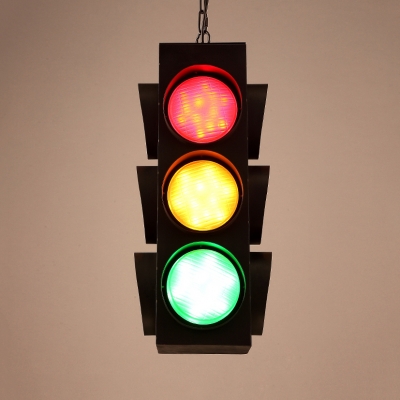
- Green – I’m good, great even perhaps! Keep going (if you want to)!
- Yellow – I need to be careful, use caution, pay close attention, consider slowing down.
- Red – Stop right now or harm will come.
Or if you are more numbers-focused, a 0-10 scale also works great, where 0 represents calm and relaxed, and 9-10 signifies stop right now, I can’t take any more.
So once you start monitoring your nervous system and recognize that you need to reduce stress, what do you do? There are 5 foundational tools, all supported by research, that are very effective in reducing stress as well as difficult moods like anxiety and depression. Having these tools in your back pocket is great when you need to reduce your stress levels or, even better, build them into healthy life routines to maintain a sustainable pace as much as possible.
Mindfulness – Find several flavors of mindfulness exercises that work for you. See my resources section, or check YouTube or apps like Insight Timer, Calm, or Headspace for many guided practices. Some key practices are focusing meditation (on your breath, music, a candle, an object in nature, etc.), listening to relaxing music or binaural beats, body-scan meditation, walking meditation, and loving-kindness meditation. My personal favorite is walking in nature, paying attention to your 5 senses.
Exercise – Any exercise will do – walking, running, bodyweight fitness, calisthenics, weight lifting, stretching, yoga, martial arts, sports. Get your body moving and heart rate up with activities that are appropriate for your body and skill level. Even doing pushups, jumping jacks, burpees, until you can’t do any more for 5 minutes makes a difference! You don’t have to commit to a full training program!
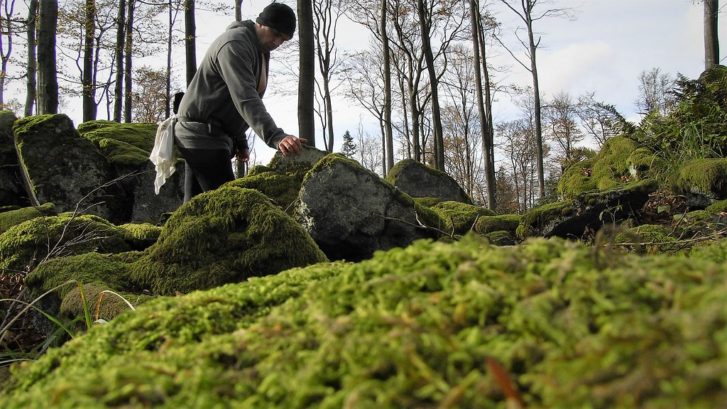
Nature – So much has been written on the benefits of nature. See here for a brief introduction. Go outside and use your 5 senses (hear, smell, sight, touch, taste – well, be careful what you taste outside). It can be just outside your home, your closest park, a patch of grass, your closest favorite trail, or a wilderness destination. Just get outside!
Communication – Communication helps you get beyond yourself to connect with other people, nature, pets, or the transpersonal (spiritual) realms. This is a big topic, but for now, know that being able to effectively communicate to connect with others beyond yourself so you can express yourself creatively and effectively is another essential skill. There are many effective communication skills and strategies that you can learn, and there are many blocks to communication that can happen in yourself or with others. Taking time to develop the ability to communicate your wants, needs, ideas, requests, and feelings is essential for a healthy, balanced life. Which leads to:
Emotional Intelligence – The definition of an emotion in the Psychology 101 textbook I used to teach from is that it is a subjective physiological experience. That is, your feelings are yours, and they happen in your body. The foundation for knowing yourself, effectively communicating with others, and managing your stress is emotional intelligence. Some people say that our thoughts control our feelings, which has some truth, but really, our emotions are often way more powerful than our thoughts. Our minds create stories to make sense of our feelings at least as much as our thoughts create our feelings. Knowing what you are feeling, to what degree, and being able to be honest with yourself and the right others is an essential skill for being human. Research shows that no matter what culture, education level, or level of industrialization of your community, all humans feel the same 5 basic emotions:
Mad (also known as frustrated, annoyed, etc)
Sad (also known as down, blue, moody, etc)
Glad (also known as happy, joyful, content, peaceful, etc)
Fear (also known as anxious, nervous, tense, etc)
Shame/Guilt (pretty self-explanatory, but helpful to distinguish between Guilt – a healthy emotion of I did something wrong and feel bad about, and Shame – I am bad)
Being able to identify our basic feelings is a foundational step to a healthy, balanced life, understanding ourselves, and relating to others. I invite you to add onto the traffic light or 0-10 scale exercise above by naming the feeling that goes with it and where it is happening in your body.
When the above 5 Foundational Tools are well developed, it will go a long way to help you manage your life more effectively and live with greater wellness and health. Getting skilled at using these tools takes time and practice. Our team of therapists can help you learn and refine these skills. Further, when you need a break because the stress is just too high (you are at a “red light”) and none of these foundational tools are working, it’s time for something more basic. That’s when the coping skills below come in handy. Use the ones that seem helpful to you, ignore the rest. Everyone is different and likes different things.
So there you have it – 5 Foundational Tools to develop and 200 coping skills to help you live a healthy, well-balanced life. If you get good at all of this, are living life effectively and are content, then give yourself a big congratulations! That is something! For many of us though, these skills are just the tools that make deeper exploration possible. It’s difficult to do deeper therapy without these skills, but these skills are not the end of the road. Once you are ready to understand the bigger picture patterns that create unneeded stress and keep you repeating the old patterns, you know it is time to seek an Inner Life Guide – a therapist skilled at depth work. That is our specialty!
So, reach out when you are ready. Whether you are at the beginning of the trail, haven’t yet left your home, or are deep in the wilderness, we’ll meet you where you are and guide you to greater health and wellness!
Big List of 200+ Coping Skills
Cognitive
- Self-monitoring
- Identify your stress level
- Identify your emotions
- Identify how this shows up in your body
- Cognitive restructuring
- Challenging the truth/assumptions of your thoughts
- Reframe with positive self-talk/reassurance
- Say something kind to yourself
- Say “I can do this”
- Make a list of positive affirmations
- List your positive qualities/strengths (and refer to it often)
- Compliment yourself
- Act opposite of negative feelings you’re experiencing
- List things you are proud of
- Make a gratitude list
- Keep a daily positive experiences journal
- Start a notebook with different inspirational and meaningful quotes
- Make a “forget it” list
- Setting and managing goals
- Decision-making pros and cons
- Brainstorm solutions to a problem you are facing
- Keep an inspirational quote with you
- Read a magazine
- Write a thank-you note
- Take pictures
- Write a list
- Schedule time for yourself
- Write a story
- Blog
- Count to 100, then do it backwards
- Do a crossword or sudoku puzzle
- Play a word game on your phone/computer
- Plan a trip
- Write down your thoughts
- Identify a positive thought
- Make your day’s schedule
- Make a to-do list
- Write
- Journal
- Plan a dream vacation
- Research a topic of interest
- Start your memoir
- Start a blog
- Research your family tree
- Look at pictures you’ve taken
- Start a dream journal
- Do a puzzle
- Write a short story or poem – refrain from self-judgement or critique – give yourself permission for it to be really bad if necessary
- Count backwards from 500
- Think of 3 foods for every letter of the alphabet
- Play a video game
- Visualize a stop sign
- Notice and name 5 things you can see, hear, and touch.
- Color a mandala or a page from an adult coloring book
- Practice playing an instrument
Emotional
- Cry
- Watch a funny video
- Name your feelings
- Name the triggers to your feelings
- Watch a sad movie/video
- Laugh
- Scream into a pillow
- Smile in the mirror
- Move anger through movement, slamming pillows, or throwing or breaking rocks
- Find a way to amplify your feelings to catharsis
- Feel fear, remind yourself you are safe (if you really are safe)
- Make a list of things you are grateful for. Feel the feeling of gratitude. What does it feel like?
- Tell someone you love them
- Tell yourself you love and care about yourself
Somatic (physical)
- Deep breaths – 10, then 10 more if needed
- Progressive muscle relaxation – systematically tense and relax all your muscles
- Do a positive activity
- Play sports
- Stretch
- Take a walk
- Practice yoga
- Give yourself or someone else a massage
- Ask for a massage
- Go for a bike ride
- Play with clay
- Crawl and roll around on the floor
- Visualize your favorite place
- Listen to music
- Eat a healthy snack
- Jog in place
- Do pushups, squats, jumping jacks, or anything to exhaustion
- Hum your favorite song
- Clean something
- Use a stress ball
- Dance
- Sexual self-pleasure
- Build something
- Play with clay
- Rip paper into pieces
- Chew gum
- Paint your nails
- Garden
- Paint
- Drink some tea and pay attention to the temperature, flavors, and smells
- Pet an animal
- Organize something
- Listen to nature sounds
- Take a bath/shower
- Use aromatherapy
- Put on a face mask
- Sing
- Go for a drive
- Watch television
- Go shopping
- Blow bubbles
- Squeeze or suck on an ice cube
- Sit in the sun and close your eyes
- Throw rocks into the woods
- Suck on a peppermint
- Do the dishes
- Make (and listen to) an upbeat playlist
- Move your body to music
- Scream into a pillow
- Swim
- Use a nicely scented lotion
- Get a massage
- Play hacky sack
- Stargaze
- Give yourself a facial
- Play a video game
- Watch sports
- Wear soft/comfortable clothes
Transpersonal/spiritual
- Pray
- Meditate
- Attend a church service, group meditation, or yoga class
- Listen to a recorded inspirational or spiritual talk
- Get out in nature and talk to a natural object, plant, or animal
- Do self-generated ritual or ceremony
- Talk with your deceased loved ones or ancestors
Behavioral and Social/relational
- Behavioral activation
- Complete something you have been putting off
- Try a new recipe
- Create a vision board
- Make a bucket list
- Call or write your senator to discuss an issue that’s important to you
- Learn a new skill
- Learn how to play an instrument
- Learn how to read sheet music
- Learn how to code
- Learn 10 new words
- Learn photography
- Study and learn a foreign language
- Take a class
- Slow down, breath as you are doing things
- Research something you’re interested in or would like to learn more about
- Get enough sleep – keep a sleep log if sleep is a challenge
- Take a nap
- Volunteer
- Go to library
- Go for a picnic
- Watch a movie
- Draw/doodle/color
- Ask yourself, “What do I need right now?”
- Play a game
- Ask for and take a break
- Enjoy a hobby
- Shoot hoops
- Shoot a bow and arrow
- Take a day for self-care
- Play an instrument
- Reward or pamper yourself
- Create art
- Go for a relaxing drive out of town
- Destroy something (that you can afford to lose)
- Sew, knit, crochet
- Make a collage of your favorite things
- Work on the car
- Cook or bake
- Paint a room
- Make a gift for someone. Give it to them.
- Give a small gift to a random person
- Restore furniture
- Play with a pet
- Listen to music with a friend
- Feed ducks/birds
- Visit an animal shelter
- Make your bed
- Clean your room, kitchen, or whole house
- Clean out your car
- Turn on all of the lights
- Fly a kite
- Join a book club
- Talk to a friend
- Give someone a hug
- Tell someone you are thankful for them
- Express your feelings to someone
- Smile at others
- Meet a friend at a park, home, coffee shop, or restaurant
- Get dressed up in a nice outfit
- Put on makeup – fun, funky, creative or fancy and beautiful – your choice
- Schedule an appointment for therapy
Tying it all together with practice accepting the things you cannot change,
Cultivating the courage to change the things you can,
and the wisdom to know the difference.

Chuck Hancock, M.Ed, LPC is a Licensed Professional Counselor in the state of CO. He has completed comprehensive training in the Hakomi Method of Experiential Psychotherapy, a mindfulness mind-body centered approach. Chuck guides individuals and groups in self-exploration providing them with insight and tools for change. He also incorporates nature as a therapy tool to help shift perspective and inspire new patterns.






 1. People who go to therapy are not crazy. You are not crazy.
  reflections of what you are saying, what it seems like you are saying that you are not aware of, and questions to help you get more clear, but your life is yours to live.