
5 Foundational Tools and 200 Coping Skills Everyone Should Have for a Balanced Life

Here are the 5 Foundational Tools and 200+ Coping Skills Everyone Should Have to be able to self-regulate

Our mental and emotional stress ebbs and flows throughout life as our schedules, routines, and work tasks change.  Because of this, I highly recommend that we all do a daily check-in, two or three times per day, even with our current mental, emotional, physical, and stress levels.  The human body can only handle so much, and our mental, emotional, physical, and relational stress all take a significant toll on our nervous system.  

It doesn’t have to take too much time; a simple traffic light works great: 

  • Green – I’m good, great even perhaps!  Keep going (if you want to)!
  • Yellow – I need to be careful, use caution, pay close attention, consider slowing down.
  • Red – Stop right now or harm will come.  

Or if you are more numbers-focused, a 0-10 scale also works great, where 0 represents calm and relaxed, and 9-10 signifies stop right now, I can’t take any more. 

So once you start monitoring your nervous system and recognize that you need to reduce stress, what do you do?  There are 5 foundational tools, all supported by research, that are very effective in reducing stress as well as difficult moods like anxiety and depression.  Having these tools in your back pocket is great when you need to reduce your stress levels or, even better, build them into healthy life routines to maintain a sustainable pace as much as possible.

Mindfulness – Find several flavors of mindfulness exercises that work for you.  See my resources section, or check YouTube or apps like Insight Timer, Calm, or Headspace for many guided practices.  Some key practices are focusing meditation (on your breath, music, a candle, an object in nature, etc.), listening to relaxing music or binaural beats, body-scan meditation, walking meditation, and loving-kindness meditation. My personal favorite is walking in nature, paying attention to your 5 senses.

Exercise – Any exercise will do – walking, running, bodyweight fitness, calisthenics, weight lifting, stretching, yoga, martial arts, sports.  Get your body moving and heart rate up with activities that are appropriate for your body and skill level.  Even doing pushups, jumping jacks, burpees, until you can’t do any more for 5 minutes makes a difference!  You don’t have to commit to a full training program!

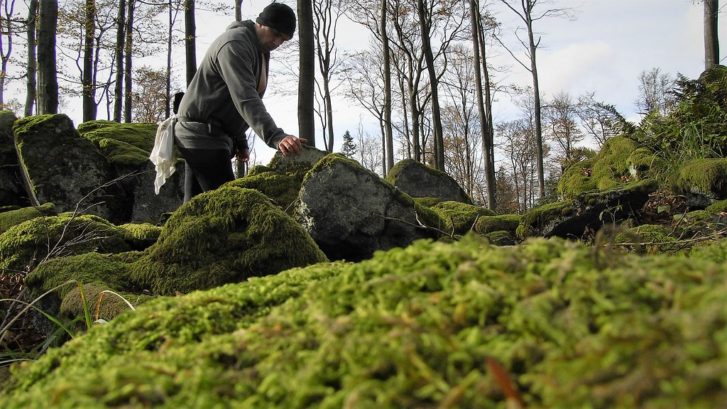
Nature – So much has been written on the benefits of nature.  See here for a brief introduction.  Go outside and use your 5 senses (hear, smell, sight, touch, taste – well, be careful what you taste outside).  It can be just outside your home, your closest park, a patch of grass, your closest favorite trail, or a wilderness destination.  Just get outside!

Communication – Communication helps you get beyond yourself to connect with other people, nature, pets, or the transpersonal (spiritual) realms. This is a big topic, but for now, know that being able to effectively communicate to connect with others beyond yourself so you can express yourself creatively and effectively is another essential skill.  There are many effective communication skills and strategies that you can learn, and there are many blocks to communication that can happen in yourself or with others.  Taking time to develop the ability to communicate your wants, needs, ideas, requests, and feelings is essential for a healthy, balanced life.  Which leads to:

Emotional Intelligence – The definition of an emotion in the Psychology 101 textbook I used to teach from is that it is a subjective physiological experience.  That is, your feelings are yours, and they happen in your body.  The foundation for knowing yourself, effectively communicating with others, and managing your stress is emotional intelligence.  Some people say that our thoughts control our feelings, which has some truth, but really, our emotions are often way more powerful than our thoughts.  Our minds create stories to make sense of our feelings at least as much as our thoughts create our feelings.  Knowing what you are feeling, to what degree, and being able to be honest with yourself and the right others is an essential skill for being human.  Research shows that no matter what culture, education level, or level of industrialization of your community, all humans feel the same 5 basic emotions:

Mad (also known as frustrated, annoyed, etc)

Sad (also known as down, blue, moody, etc)

Glad (also known as happy, joyful, content, peaceful, etc)

Fear (also known as anxious, nervous, tense, etc)

Shame/Guilt (pretty self-explanatory, but helpful to distinguish between Guilt – a healthy emotion of I did something wrong and feel bad about, and Shame – I am bad)

Being able to identify our basic feelings is a foundational step to a healthy, balanced life, understanding ourselves, and relating to others. I invite you to add onto the traffic light or 0-10 scale exercise above by naming the feeling that goes with it and where it is happening in your body.

When the above 5 Foundational Tools are well developed, it will go a long way to help you manage your life more effectively and live with greater wellness and health.  Getting skilled at using these tools takes time and practice.  Our team of therapists can help you learn and refine these skills.  Further, when you need a break because the stress is just too high (you are at a “red light”) and none of these foundational tools are working, it’s time for something more basic.  That’s when the coping skills below come in handy.  Use the ones that seem helpful to you, ignore the rest.  Everyone is different and likes different things.

So there you have it – 5 Foundational Tools to develop and 200 coping skills to help you live a healthy, well-balanced life.  If you get good at all of this, are living life effectively and are content, then give yourself a big congratulations!  That is something!  For many of us though, these skills are just the tools that make deeper exploration possible.  It’s difficult to do deeper therapy without these skills, but these skills are not the end of the road.  Once you are ready to understand the bigger picture patterns that create unneeded stress and keep you repeating the old patterns, you know it is time to seek an Inner Life Guide – a therapist skilled at depth work.  That is our specialty!


So, reach out when you are ready.  Whether you are at the beginning of the trail, haven’t yet left your home, or are deep in the wilderness, we’ll meet you where you are and guide you to greater health and wellness!

Big List of 200+ Coping Skills

Cognitive

  • Self-monitoring
    • Identify your stress level 
    • Identify your emotions
    • Identify how this shows up in your body
  • Cognitive restructuring
    • Challenging the truth/assumptions of your thoughts
    • Reframe with positive self-talk/reassurance
    • Say something kind to yourself
    • Say “I can do this”
    • Make a list of positive affirmations
    • List your positive qualities/strengths (and refer to it often)
    • Compliment yourself
    • Act opposite of negative feelings you’re experiencing
    • List things you are proud of
    • Make a gratitude list
    • Keep a daily positive experiences journal
    • Start a notebook with different inspirational and meaningful quotes
    • Make a “forget it” list
  • Setting and managing goals
  • Decision-making pros and cons
  • Brainstorm solutions to a problem you are facing
  • Keep an inspirational quote with you
  • Read a magazine
  • Write a thank-you note
  • Take pictures
  • Write a list
  • Schedule time for yourself
  • Write a story
  • Blog
  • Count to 100, then do it backwards
  • Do a crossword or sudoku puzzle
  • Play a word game on your phone/computer
  • Plan a trip
  • Write down your thoughts
  • Identify a positive thought
  • Make your day’s schedule
  • Make a to-do list
  • Write 
  • Journal
  • Plan a dream vacation
  • Research a topic of interest
  • Start your memoir
  • Start a blog
  • Research your family tree
  • Look at pictures you’ve taken
  • Start a dream journal
  • Do a puzzle
  • Write a short story or poem – refrain from self-judgement or critique – give yourself permission for it to be really bad if necessary
  • Count backwards from 500
  • Think of 3 foods for every letter of the alphabet
  • Play a video game
  • Visualize a stop sign
  • Notice and name 5 things you can see, hear, and touch.
  • Color a mandala or a page from an adult coloring book
  • Practice playing an instrument

Emotional

  • Cry
  • Watch a funny video
  • Name your feelings
  • Name the triggers to your feelings
  • Watch a sad movie/video
  • Laugh
  • Scream into a pillow
  • Smile in the mirror
  • Move anger through movement, slamming pillows, or throwing or breaking rocks
  • Find a way to amplify your feelings to catharsis
  • Feel fear, remind yourself you are safe (if you really are safe)
  • Make a list of things you are grateful for.  Feel the feeling of gratitude.  What does it feel like?
  • Tell someone you love them
  • Tell yourself you love and care about yourself

Somatic (physical)

  • Deep breaths – 10, then 10 more if needed
  • Progressive muscle relaxation – systematically tense and relax all your muscles
  • Do a positive activity
  • Play sports
  • Stretch
  • Take a walk
  • Practice yoga
  • Give yourself or someone else a massage
  • Ask for a massage
  • Go for a bike ride
  • Play with clay
  • Crawl and roll around on the floor
  • Visualize your favorite place
  • Listen to music
  • Eat a healthy snack
  • Jog in place
  • Do pushups, squats, jumping jacks, or anything to exhaustion
  • Hum your favorite song
  • Clean something
  • Use a stress ball
  • Dance
  • Sexual self-pleasure
  • Build something
  • Play with clay
  • Rip paper into pieces
  • Chew gum
  • Paint your nails
  • Garden
  • Paint
  • Drink some tea and pay attention to the temperature, flavors, and smells
  • Pet an animal
  • Organize something
  • Listen to nature sounds
  • Take a bath/shower
  • Use aromatherapy
  • Put on a face mask
  • Sing
  • Go for a drive
  • Watch television
  • Go shopping
  • Blow bubbles
  • Squeeze or suck on an ice cube
  • Sit in the sun and close your eyes
  • Throw rocks into the woods
  • Suck on a peppermint
  • Do the dishes
  • Make (and listen to) an upbeat playlist
  • Move your body to music
  • Scream into a pillow
  • Swim
  • Use a nicely scented lotion
  • Get a massage
  • Play hacky sack
  • Stargaze
  • Give yourself a facial
  • Play a video game
  • Watch sports
  • Wear soft/comfortable clothes

Transpersonal/spiritual

  • Pray
  • Meditate
  • Attend a church service, group meditation, or yoga class
  • Listen to a recorded inspirational or spiritual talk
  • Get out in nature and talk to a natural object, plant, or animal
  • Do self-generated ritual or ceremony
  • Talk with your deceased loved ones or ancestors

Behavioral and Social/relational

  • Behavioral activation
    • Complete something you have been putting off
    • Try a new recipe
    • Create a vision board
    • Make a bucket list
    • Call or write your senator to discuss an issue that’s important to you
    • Learn a new skill
      • Learn how to play an instrument
      • Learn how to read sheet music
      • Learn how to code
      • Learn 10 new words
      • Learn photography
      • Study and learn a foreign language
      • Take a class
    • Slow down, breath as you are doing things
  • Research something you’re interested in or would like to learn more about
  • Get enough sleep – keep a sleep log if sleep is a challenge
  • Take a nap
  • Volunteer
  • Go to library
  • Go for a picnic
  • Watch a movie
  • Draw/doodle/color
  • Ask yourself, “What do I need right now?”
  • Play a game
  • Ask for and take a break
  • Enjoy a hobby
  • Shoot hoops
  • Shoot a bow and arrow
  • Take a day for self-care
  • Play an instrument
  • Reward or pamper yourself
  • Create art
  • Go for a relaxing drive out of town
  • Destroy something (that you can afford to lose)
  • Sew, knit, crochet
  • Make a collage of your favorite things
  • Work on the car
  • Cook or bake
  • Paint a room
  • Make a gift for someone.  Give it to them.
  • Give a small gift to a random person
  • Restore furniture
  • Play with a pet
  • Listen to music with a friend
  • Feed ducks/birds
  • Visit an animal shelter
  • Make your bed
  • Clean your room, kitchen, or whole house
  • Clean out your car
  • Turn on all of the lights
  • Fly a kite
  • Join a book club
  • Talk to a friend
  • Give someone a hug
  • Tell someone you are thankful for them
  • Express your feelings to someone
  • Smile at others
  • Meet a friend at a park, home, coffee shop, or restaurant
  • Get dressed up in a nice outfit
  • Put on makeup – fun, funky, creative or fancy and beautiful – your choice
  • Schedule an appointment for therapy

Tying it all together with practice accepting the things you cannot change,

Cultivating the courage to change the things you can,

and the wisdom to know the difference.
Chuck Hancock, M.Ed, LPC is a Licensed Professional Counselor in the state of CO. He has completed comprehensive training in the Hakomi Method of Experiential Psychotherapy, a mindfulness mind-body centered approach. Chuck guides individuals and groups in self-exploration providing them with insight and tools for change. He also incorporates nature as a therapy tool to help shift perspective and inspire new patterns.

Unexpected Landing

Adapting to Change with COVID-19

The past two weeks has shown us more change than most of us have known in our lifetimes and things continue to change hour by hour.  With the stay at home measures now in place in Colorado, it is important we all take care of our physical health as well as our mental health.  I am now moving 100% to telehealth counseling sessions via a secure HIPAA compliant platform. I have been doing video sessions for years and in the past two weeks even my men’s group is meeting via telehealth. Provided you have a private place to talk, it works just as effectively.  Using telehealth also enables us to be outside if you have access to a private area to benefit from nature and fresh air as well. Further, parks and natural areas are still open so nature based coaching sessions are also still available through Reconnecting to Our Nature maintaining adequate social distance.

However, even though telehealth is effective, staring at a screen all day as many of us are doing now for work can be exhausting.  So I wanted to share some ideas on how we can all make better use of our required physical distancing and still take good care of our mental and emotional health.

1) Get outside!  Take several breaks throughout the day, even if they are short 5-10 minutes just outside your building.  You don’t even need to go anywhere, but if you do have time to get out to a natural area that is a bonus.  Sitting, standing, or walking wherever you are. Focus on your 5 senses, not your thoughts or narrative. Name things to yourself: 

  • What do you see?
  • What do you hear?
  • What do you smell?
  • What do you feel in, around, and with your body?
  • What can you taste?

Name as many as you can in the time you have or set goals of 5-10 things in each category.  (Or at least the first 4. Taste can be hard, unless you bring along gum, candy, or some other special treat).

There is a 12 minute audio file instructions for this and other mindfulness exercises on my website here: https://www.innerlifeadventures.com/mindful-practice/

2) Move your body! Stretch, exercise, dance, and move intuitively.   There are numerous free videos available on youtube and subscription videos from both local and distant professionals trying to maintain their business and livelihood.  Check your local yoga studios and fitness centers to support them or use the free options if you need to. Or keep it simple and put on your favorite music and dance.

3) Practice extreme self care!  Self care is always essential, and even more essential as time passes in our current situation.  Self care doesn’t necessarily mean going to the spa or getting a massage (though those will be great options when we are able to again), self care means caring for ourselves physically, mentally, emotionally, with kindness and acceptance.  What we say to ourselves and how we talk to ourselves is one of the most powerful factors influencing how we feel. It is important to allow yourself to fully feel and accept all of the emotions getting stirred by our current situation. Many of us are experiencing practically every emotion such as fear, grief, excitement, joy, gratitude, love, desire, anger, and more. Giving ourselves space for all of the feelings and then caring for yourself in whatever way we need is key. 

Here is a fantastic article with 10 Self Compassion Practices for COVID-19 from a couple of the top evidence based mindfulness practitioners: https://centerformsc.org/10-self-compassion-practices-for-covid-19/.

4) Stay connected!  It is always important, but it is more important than ever to stay connected with healthy, grounded balanced people.  Phone calls, video calls, and walks outside (with proper physical distance) with people you care about are all really important to maintain.  And there can also be too much input and connection with the outside world so stay connected to yourself – through limiting news and social media intake, limiting movies and TV shows, and just sitting in quiet with a mindfulness practice or just in quiet reflection.

There is a time and a place for deeper self exploration and there also is a time to just stay on the surface and ground with another human.  You’ll probably need both at different times. So to help you stay connected, in addition to the standard hour or 1.5 hour sessions, I’m also offering for a limited time shorter sessions of 20 or 30 minutes to offer you a chance to just touch base and check in.  Reach out and let me know if you would like to try just a brief check in session. 

Nature is a great teacher of change.  So I will be offering even more programs and coaching through my other business Reconnecting to Our Nature.  Through sessions in nature or homework assignments on your own in nature we can tune in more for greater clarity and guidance beyond our human and rational mind driven world.  To learn more about the model that is the foundation of the nature based work I do, you can read more here or join me for a free Zoom call April 6 at 6:00 where I discuss this in more detail.

To stay informed with what is happening with nature based work and Reconnecting to Our Nature you can subscribe to the RTON email list here.

With the right perspective, the right tools and practices, the right community and people to support us, I trust we will all be able to emerge from this period of intense change stronger and healthier than ever.  Please stay connected and let us know how we can support you. Take good care of yourself and stay healthy and well!

Chuck Hancock, M.Ed, LPC is a Licensed Professional Counselor in the state of CO. He has completed comprehensive training in the Hakomi Method of Experiential Psychotherapy, a mindfulness mind-body centered approach. Chuck guides individuals and groups in self-exploration providing them with insight and tools for change. He also incorporates nature as a therapy tool to help shift perspective and inspire new patterns.
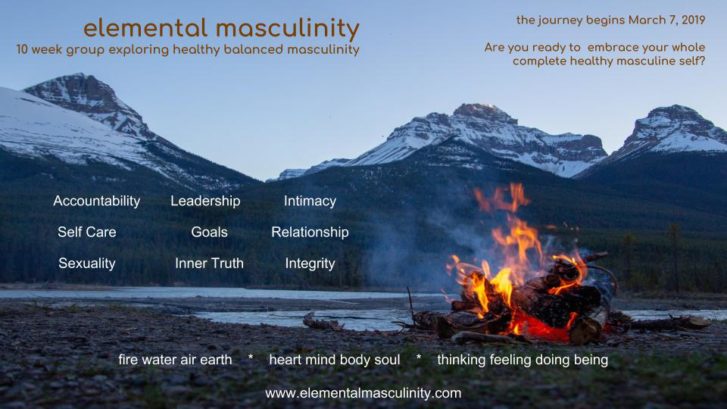
Elemental Masculinity

New outdoor nature based men’s group offering starting in March as soon as the group is full.

elemental masculinity flyer

Learn more:

Welcome Home


New Trauma Therapy Group Forming


Owning our story can be hard but not nearly as difficult as spending our lives running from it. Embracing our vulnerabilities is risky but not nearly as dangerous as giving up on love and belonging and joy—the experiences that make us the most vulnerable. Only when we are brave enough to explore the darkness will we discover the infinite power of our light.  ~Brene Brown

All of you is welcome here.  Living with traumatic experiences often makes us feel like we have to hide a part of ourselves because of our own shame or because we don’t believe the world will understand or support us.  Many who have experienced trauma live with depression, isolation, anxiety, addictions, or other issues. Engaging in group therapy may sound scary, but it has been my experience that healing occurs most profoundly when we can experience human connection while being with the events and parts of us with which we felt the most alone and unsafe.  You don’t have to handle difficult things on your own.

Utilizing the latest research in treating trauma, this group draws upon the work somatic psychotherapy, experiential psychotherapy, attachment, mindfulness practices, interpersonal relationship, Acceptance and Commitment Therapy (ACT), DBT self regulation and distress tolerance skills, EMDR, ecotherapy, and Internal Family Systems.

Format

This weekly group is open to all genders and will provide a safe, supportive space that teaches mindfulness, 

grounding, and resourcing skills and developing strength and resilience as a foundation.  Moving beyond skills, participants will discuss and support each other in managing current life triggers. As safety and trust deepen and when the time is right, there will be opportunities for each member to be able to process and do therapeutic work around their trauma in a group format. Harnessing the power of a safe supportive group container, people can feel even more held and safe to process events and receive support from a community of understanding people.  

Consent is key, and sometimes healing in and of itself.  Learning how to say yes when you mean yes and no when you mean no is a part of every group.  You will be empowered to participate or not participate to whatever level you are ready and wanting.  

The group meets weekly and is ongoing every Thursday evening.  In order to establish safety, rapport, and trust in the group, each person is asked to make at least an 8 week commitment to the group.  Many will stay on beyond the minimum to continue building trust, healthy healing relationships, and being able to work through challenges slowly and safely.  The group will have at least 4 and at most 8 members.

To enroll
Contact Chuck ([email protected] or 970.829.0478) to setup a free 30 minute group screening and consultation.  If it seems like a good fit, you will be able to start as soon as the group feels it is ready for a new member.  It is highly recommended that you have an individual therapist as well, but exceptions may be made depending on your situation.

Cost

$50 per group.  Some insurance accepted.  Call your insurance company and ask about coverage for group therapy.  

Still not sure?

Articles for further reading on trauma specific therapy groups

https://psychcentral.com/blog/4-things-i-learned-in-trauma-group-therapy/

https://www.verywellmind.com/the-benefits-of-group-therapy-for-ptsd-2797656


Download the Trauma Therapy Group Flyer  to print or email to someone who may need this group.

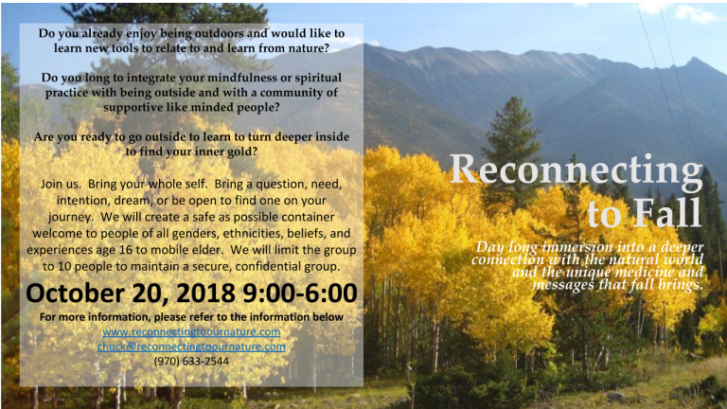
Reconnecting to Fall

We are not separate from the natural world.  This myth that we are separate from nature and everything  around us is one of the greatest things causing humans suffering.  Even “visiting” nature implies we have to go somewhere to experience  it. In this day long program, we will be in nature to remember the age old practice of wandering  and listening, connecting intimately with nature both outside and inside of us to experience greater health and wholeness.  

  • Experience and connect with the season of summer in it’s unique personality and relationship to the rest of the year.
  • Find and relate to plants, animals, birds, insects, rocks, and landscape that can help you deepen into your understanding of yourself and our world.
  • Utilize Ecopsychology  and transpersonal psychology to remember your wholeness, the wholeness of our world, and experience health and healing in nature.
  • Learn about the passages and cycles of days, years, seasons, and life itself.
  • Utilize practices to help you connect deeper to yourself and your own sources of guidance, wisdom, and support.
  • Spend time together as a community in council,  gain direct teachings on nature connected practices.
  • Have solo time on the land having direct experience with these practices in your own way..

Join us.  Bring your whole self.  Bring a question, need, intention, dream, or be open to find one on your journey.  We will create a safe as possible container welcome to people of all genders, ethnicities, beliefs, and experiences age 16 to mobile elder.  We will limit the group to 10 people to maintain a tight group.

Financial Investment: $25 non-refundable registration holds your spot in the circle.  Suggested additional donation of $20-120 for programming, teachings, first aid supplies and support, organization, planning, and other energy invested in creating and holding space for you.  Nobody will be turned away for financial reasons. Let’s discuss if you have questions or needs around money.

Location and final logistics to be disclosed upon registration.  Will be within 1 hour of Fort Collins and we will coordinate a carpool to minimize impact on the environment.

Living Bigger than Your Goals, Bigger than Yourself – Your Mission

A reflection on Relationship, Connection, Trust

Around the new year, I reflect on the past year and reevaluate my direction for the new year.  This year, I’m clear that I’ve made a lot of progress on my goals, and yet they are big enough that I’m still working toward them.  Sometimes it takes years or even a lifetime of revisiting and refining the same things to accomplish the things that are really important to us.  That’s what it is like to live your mission.  What is your mission?

My mission is connection.  Connection to myself, to others, to my community, and to the world as a whole.  And partly because we teach what we need to learn for ourselves and because I want to share the gifts and lessons I’ve

Taking Steps, Exposed, Vulnerable

Taking Steps, Exposed, Vulnerable

received in my life, much of the way I work with individuals, couples, and groups invites people into deeper connection with themselves, each other, and the world as well.  Your mission may be different, yet I’d bet there is something in what I’m learning about living my mission that will help you with your mission as well.  (Or if nothing else, you might find some ideas that help with your relationships.)

In recent years, I’ve learned that the two biggest things that hold me back are fear and lack of trust (which are closely related by the way).  So when I stumbled on a video of Brene Brown outlining what it really takes to trust, I ate it up.  It shined a spotlight on where I’ve been falling short in my mission and inspired me to take more responsibility for trusting and connecting – both to myself and others.  Wait, so what is trust?

Charles Feltman defines trust as this:  “Choosing to make something important to you vulnerable to the actions of someone else.” And his definition of distrust follows with, “what I have chosen to share with you that is important to me is not safe with you.”  Wow.  That is clear.  So , how we you trust, really?  

To learn how to trust, Brene Brown dug into her own research and research by  as well-known relationship expert John Gottman. Gottman says: trust is built in small moments over time.  Stopping what you are doing to attend to someone in need or pick up the phone to check in when you are thinking about someone and asking about specific things you know are important to them builds trust and connection.  Failure to choose connection and support when the opportunity is there is a betrayal of trust and relationship.

Another surprising finding is that asking people for help when needed helps prove trustworthiness.  It shows we won’t take on more than we can handle and we will ask for help when we do.  When we don’t do this, people won’t come to us because they don’t believe we can handle what they want to ask or share. This one was huge for me and speaks so much about honoring ourselves and our limits and boundaries.

Diving deeper into trust, we see when we trust, we are BRAVING connection.  With ourselves and with others.  Brene Brown came up with the acronym BRAVING to describe in more detail the components of trust.

B – Boundaries – When I know your boundaries, and you hold them, and you know my boundaries and respect them, there can be trust.  Without clear boundaries and respect of boundaries, there is distrust.  Boundaries create safety; safety creates trust.  Its why we build fences and walls.  So much more can be said about this, I’ll save it for a future post.

R – Reliability – There can only be trust if you do what you say you are going to do and I do what I say I’m going to do consistently over time, not just once.  How many times do we not do what we say we will do.  “It was really great seeing you.  Let’s get together again soon for lunch.”  And it never happens?  I know it’s just a saying and everyone says it, but trust is broken.  Let’s just share the awkwardness of knowing it may be a while before we meet again.  Being reliable creates trust.

A – Accountability – You are allowed to make mistakes.  I can only trust you if when you make a mistake you are willing to own it and make amends and you can only trust me if I am allowed to make a mistake, be honest about it, and make amends.  Being accountable creates trust.

V – Vault – What I share with you, you will hold in confidence.  What you share with me I will hold in confidence.  When we gossip about someone sharing something that is not ours to share, we think we are connecting over juicy information, but we are proving ourselves untrustworthy.  Keeping confidence creates trust.

I – Integrity – I cannot be in a trusting relationship with you unless you act from a place of integrity and encourage me to do the same.  What is integrity? Doing what is right, even when nobody else is looking.  Brene’s definition is far more challenging and eloquent. “Choosing courage over comfort.  Choosing what is right over what is fun, fast or easy.  Practicing your values, not just professing your values.”  Let’s meet each other in integrity.   Being in integrity creates trust.

N – Non-Judgement – I can fall apart, ask for help, struggle, suffer, and make mistakes without being judged by you and you will find the same with me.  Without this, we can’t be safe to ask for help and we can’t truly reciprocate it.  When we assign a value to reaching out or needing help by thinking less of the other person or judging them in any way for what they are doing or feeling it destroys trust.  Or even more importantly when we think less of ourselves for reaching out or needing help, we are consciously or unconsciously thinking less of the other person for their needing help.  You can’t have true trust if you are judging the other person, or ourselves in big or small ways.  Acceptance creates trust.

G – Generosity.  Our relationship is only trusting if you can assume the most generous thing about me and my intentions and then check in about it if it doesn’t feel right.  I will do the same for you to help us both stay in integrity.   There is a lack of trust when we assume poor intentions and don’t check it out with the other person.  Assuming positive intentions and having unconditional positive regard creates trust.

Building trust, strengthening the weak spots, and sharing about breakdowns in trust facilitates connection.  Trust makes connection easy.

And these same principles apply to trusting and connecting with ourselves as well as trusting and connecting with someone else.  Looking at ourselves: How well do we know our own boundaries and honor them?  How often do we do what we tell ourselves we are going to do?  How good are we at admitting and forgiving ourselves for our mistakes and shortcomings?  How good are we at choosing who to share with and how much is in our best interest to share?  Are we in integrity with ourselves and our value?  Can we refrain from judging and being critical of our thoughts and actions?  Do we assume that we are doing our best and had positive intentions?  By these measures, do we really trust ourselves?  Can we achieve our mission if we don’t trust ourselves?

When we become aware we are not trusting or in connection with ourselves, reflecting on these definitions can give us benchmarks.  This map shows us where our obstacles are to deeper relationship,  trust, and connection  are happening so we can name it, repair it, and ask for what we need from ourselves and from others.

To tie this all together:  Do you know your mission?  Are you living it?  In every small moment?  Can you achieve your mission alone or is it so big do you need the help and support of others?  You probably need strong relationship with yourself and others to achieve your mission. Do you have strong relationship and connection with yourself and others?  Do you trust yourself to achieve your mission?  Do you trust others to help?  If not, where are your obstacles?

Thanks for joining me on this small part of my mission.  Will you join me for more?


Chuck Hancock, M.Ed, LPC is a Licensed Professional Counselor in the state of CO. He has completed comprehensive training in the Hakomi Method of Experiential Psychotherapy, a mindfulness mind-body centered approach. Chuck guides individuals and groups in self-exploration providing them with insight and tools for change. He also incorporates nature as a therapy tool to help shift perspective and inspire new patterns.
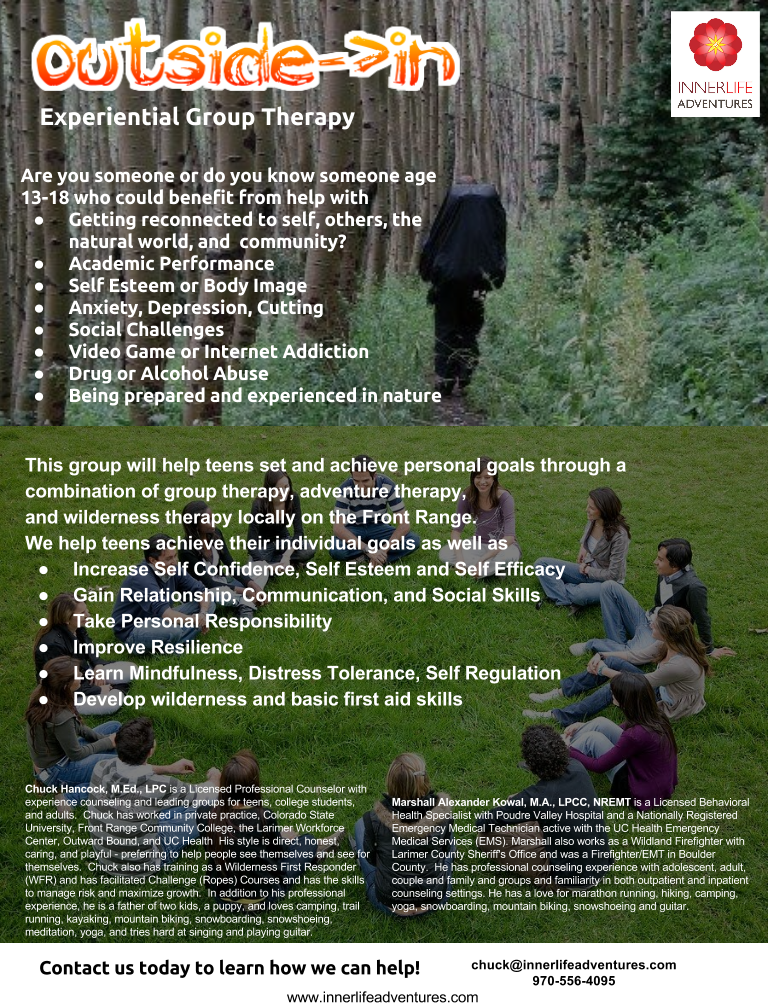
New Therapy Group for Teens


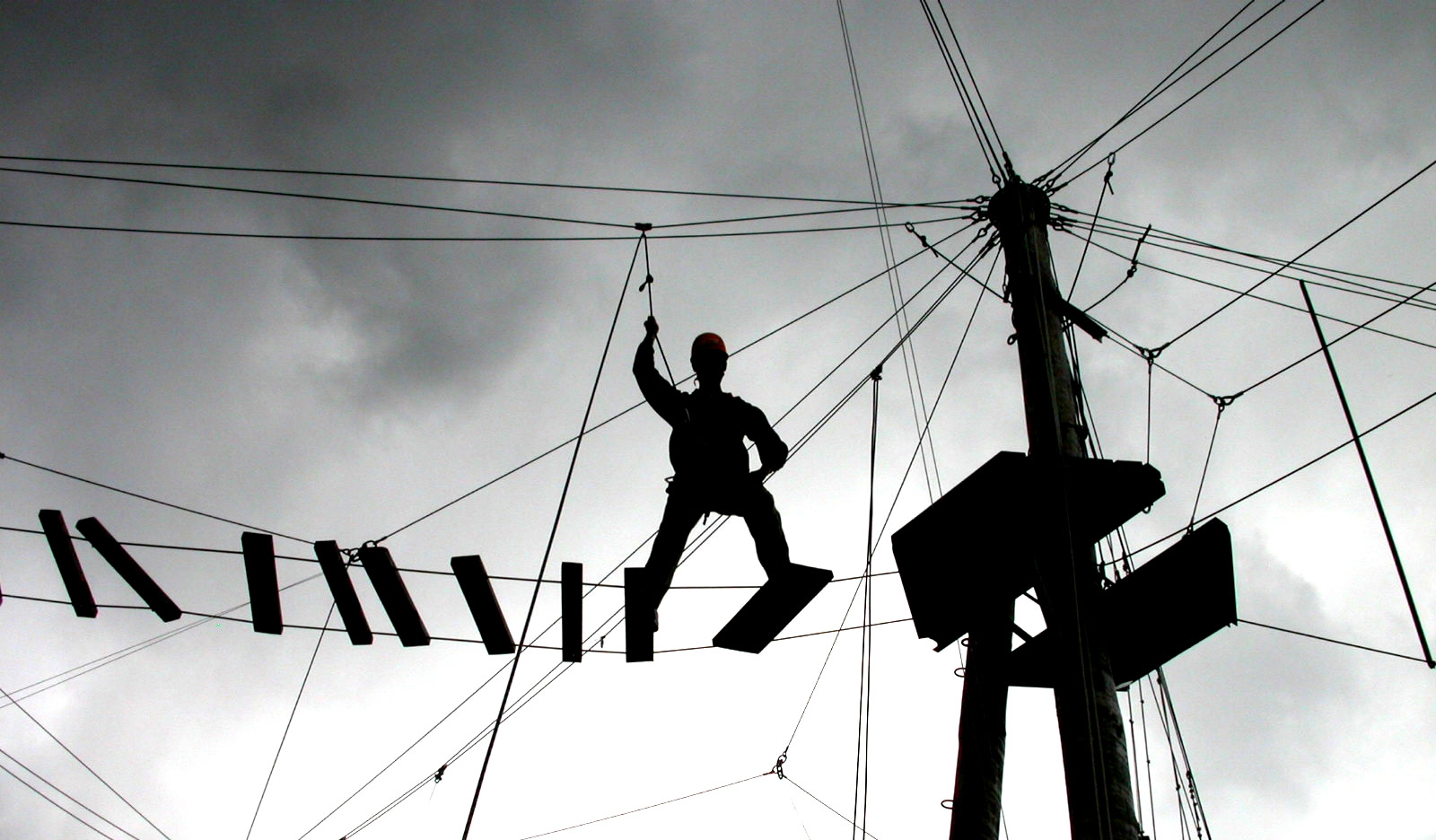
Join us for a new first of its kind hybrid group therapy and wilderness therapy group for teenagers locally on the Front Range based out of Fort Collins, CO.  This outdoor group was created to offer the best of coaching, therapy, and wilderness adventures to adolescents without the cost and time commitment of traditional backcountry programs.

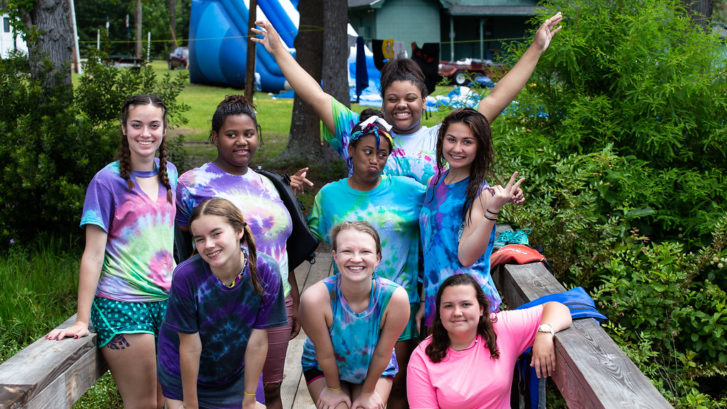
This group is open to all teens of all genders regardless of “issue” who are simply looking for personal growth by getting outside and joining in a community of peers, connecting with themselves, others, and nature. Through exploring themselves, overcoming challenges, developing new skills,  and being guided by expert facilitators our participants learn to bring the best of the lessons and experiences of the outside…. in.

For more details, click here and or contact Chuck directly at [email protected] or 970.556.4095.

Download a pdf version of the flyer to print, email, and share with someone who could benefit.

Outside--in flyer


8 Things I Wish Everyone Knew About Therapy

With so many “healers,” coaches, counselors, psychotherapists, and psychologists out there practicing thousands of methods, there are many misconceptions about what therapy is and isn’t.  I can’t dispel all the myths, but here are a few things I’d like you to know.

alone in the woods1. People who go to therapy are not crazy.  You are not crazy.  

We all have challenges and unique ways of approaching them. Most people feel like they are unique and nobody has ever had the thoughts, feelings, or behaviors that they have. Guess what? We are all human. There is nothing inherently bad, embarrassing, or shameful about anything you are thinking or experiencing. Most of us only feel this way because we don’t take the risk to be vulnerable and share the details of our inner worlds with others. You can be assured, no matter what you are facing, it may be challenging, you may be coping in ineffective ways, but you are not crazy.

2. Relationship is everything.

There are literally thousands of theories and techniques for doing therapy. You know what the one thing is that research shows will be a predictor of a successful outcome? Relationship. The level of trust and safety you feel with your therapist is the best predictor of success. If you don’t feel able to explore the deeper levels of truth first with yourself and also with your therapist, it will be really hard to make lasting changes. Trust and relationship take time to build, really. It can’t be rushed. It is the most important thing we will do. Nobody exists outside of some sort of relationship, and most of us have limited or no access to a truly supportive, deeply caring, and profoundly accepting relationship like can be developed here.

3. I’m not here to give you advice.

You will probably want it at some point, but I am not the expert in you or your life. You are. My job is to help you gain more trust and confidence in your own ability to lead your own life. I will gladly offer talkingreflections of what you are saying, what it seems like you are saying that you are not aware of, and questions to help you get more clear, but your life is yours to live.

4. My job is not to psychoanalyze you.

See above. A good therapist will not claim to have all the answers. I certainly don’t. We are humans just like you. You are the expert in you. My job is to help you peel back the layers to become even more intimate with yourself, so that you know and feel that you are indeed the only one who can be the expert in you. And you are the only one that can make the changes in your life. My job is to be curious as we explore the unknown together, and maybe I can guide a little and empower you to continue with your own self-leadership.

5. All emotions are welcome. Especially anger.

Most of us have a challenged relationship with our emotions. Either we don’t feel or acknowledge them at all or we are totally ruled by them. Neither is helpful. Emotions serve a purpose: they repel us from things that aren’t good for us and bring us closer to things that are. Ignoring the wisdom of your emotions results in poor decision making and disconnection from yourself. And yet if your emotions are controlling you, you probably could use some balance by engaging your thoughts and rational mind more. The point is, therapy provides a safe and welcoming space where all your emotions are welcome, valid, and supported, even the ones that get a bad reputation such as anger. Emotions are an important part of being human.

6. You will probably backslide to old behavior patterns and I won’t judge you.

Most of us have been engaged in habitual thinking and automatic behaviors for a long time. There is a saying in neuroscience that says, “neurons that fire together wire together.” The longer you have a habitual way of thinking or behaving, the more that pattern gets imprinted in our brain. Our old patterns are kind of like the most popular hiking trails near town – they are well-trodden and easy to find. But when you try to make changes to your thinking and behaving, it is like starting a new trail by simply veering off the main trail. It takes many times walking the new path to wear it in, and even then it is still faint. It is much easier, safer, and more comfortable to stay on the familiar trail. It takes much more effort and intention to forge a new trail, but with time, it will also be easy for you to find and then you will have a choice of which path to take. Relapse is part of the change process, it is not failure. This is another reason it helps to have a guide who knows the terrain.

7. You deserve to be happy and only you are in control of that. I want to support you in having the life you want.

This is a complicated topic, but I want you to know that you only have one life and you deserve to enjoy it. Even if the changes you want to make seem huge and there are a lot of factors that seem in your way – relationships, finances, family, job, education, and more, there are ways to be happy in any circumstance, and there are ways to move toward something better for you. It’s worth it.

8. Therapy is weird. And special. And priceless. And takes courage.

Before people come to therapy, they usually try almost everything they can think of to do it on their own. Some approaches are helpful, others are not. People come to therapy for all kinds of different reasons. Therapy can help with many mental, emotional, and relational challenges – and even some physical (somatic) symptoms. But it can be hard to meet with someone who is a total stranger at first and talk about the most vulnerable and personal things that we sometimes don’t even want to share with our closest friends or family. And that is part of what makes it special and priceless. For most of us, we can’t find any other relationship like this where it is safe to talk about anything, and have it met with 100% acceptance, no judgment, and even some gentle support on how to do things differently.

Our automatic habitual thoughts and behaviors are mostly unconscious. Without outside input, it is likely we will stay stuck doing and thinking the same thing. When you are ready for a trained guide to take you out of the familiar and into a new life, we’ll be here. See you then.

~chuck

Edit: Right after publishing this, I came across this post written from a therapy client.  Great insights from an experienced client’s perspective.

What do you think? Better yet, what do you feel? What do you experience? Let’s continue the conversation! You can find me at www.innerlifeadventures.com or email [email protected].  Want to meet?  Here’s how.

Chuck Hancock, M.Ed, LPC is a National Certified Counselor, Licensed Professional Counselor, and a Registered Psychotherapist in the state of CO. He has completed comprehensive training in the Hakomi Method of Experiential Psychotherapy, a mindfulness mind-body centered approach. Chuck guides individuals and groups in self-exploration providing them with insight and tools for change. He also incorporates nature as a therapy tool to help shift perspective and inspire new patterns.
First Day of Kindergarten

Starting (Continuing) School – For kids big and small

I just left my son after spending the first hour of his public education experience with him.  I was surprised to feel the immense emotions and tears that came flooding in as soon as I left him.  When I was there, I was the rock.  I was solid, reassuring, gently guiding and encouraging, acquainting him with the room, teacher, and other kids he’ll be spending over 1,000 hours of his life in.  But not a cold heartless, detached rock.  I could feel him deeply – his simultaneous apprehension and strength in being immersed in his new environment.  Hearing all the advice handed down to me from other parents, I started to dismiss everything I felt as “normal” or just part of it, but as soon as I walked away, it hit me.
The teacher is good, kind, professional.  She invited him and the other students to choose their own dot to sit on for whatever was next.  I gave him one last hug and kiss for the day and he went over to join the other kids, but in his own way, at the far edge of the mat.  Looking a little sad, a little scared, then – a little angry?  It shocked me.  I didn’t see it coming.  But again, I dismissed it as “normal,” just part of the experience.
I’m tempted to just ignore it, pick up my smartphone, post only the sweet happy picture, move on with my

day and ignore these feelings.  I could just call this “normal” and move on.  But as I sit with these feelings, not avoiding but feeling fully and exploring with curiosity, they talk to me.

I realize that today marks the first real day of his experience in the “system” – the overburdened under-resourced system in charge of taking care of and educating our kids.  The system that despite the level of skill, training, and care of the teacher, cannot possibly provide the same level of understanding, knowing, and individual connection that a sensitive child needs to feel safe and thrive.
I saw today how much like me my son is, and there are so many parts of me I wish he didn’t have to inherit.  He is strong and capable of doing what is asked of him, but it comes with a cost.  The cost of ignoring his feelings and his truth.  The cost of ignoring and overriding what we really feel to “fit in.”  The cost of separating a little more from our self.
As I dig deeper I feel into the parts of me that have been so wounded in school.  Feeling shy, awkward, not fitting in, afraid to introduce myself to new people, wanting to play and have fun, but being unable to due to all the things I feel.  I feel into the parts of me that know what I want, and feel it is not available there.  As I feel  in deeper I touch the places in me that were made fun of by other kids, the parts of me that felt like I don’t belong, the part of me that was made to feel bad by teachers when I spoke up for myself, and the parts that felt stupid, awkward, nerdy, out of place.  Maybe it was just projection, but it felt as if I could see and feel all of those things in him.  I felt like I had cursed him to relive all of the hard things I experienced in school.
In the moments before I left, we went out to get his water bottle from his back pack.  He said he wasn’t really thirsty, but hungry.  I told him it wasn’t time to eat now, that he would have to wait a bit.  I felt him sink.  It wasn’t the school or the teacher who committed the first act of violence, it was me.  I was the one who took him there and I was the one asking him to ignore his needs to fit in with the system and obey the schedule.
I could go on and on about countless transgressions throughout my school experience that shaped how I show up in the world, but I don’t want to sound like a drama queen.  You may think I’m blowing it out of proportion. (Heck, there is certainly a part of me that does.) Besides, what’s the big deal, I got over it.  I found ways to make friends, develop coping strategies (some healthy, some not), and be successful.  I made it out ok.  Today I’m fine (mostly).  But these experiences matter.  They shape us – and don’t want to ignore these things so often brushed off and not spoken of.
Before I started really looking into myself with the lens of mindfulness, therapy, and personal growth I dismissed these things I felt and told myself they were no big deal and I was being too sensitive, dramatic, or even worse names I won’t repeat here.  Of course I drank a lot from age 16-30+, and was unhappy, but hey, that’s what everyone else does too, right?   But I’m sharing these words because they are my truth. And I’m sharing now, because I didn’t have the awareness, words, or people who would listen then.
I’m feeling tremendous grief.  For all my past hurts, for all the ways I was rejected by others and the ways I rejected myself.  I’m feeling tremendous sadness for introducing my son to the beginning of this system that has the potential to cause him so much suffering.  But my point is not to dwell in the pain and sorrow, but to give words to and acknowledge it, as part of the experience of living in our world today.  But my question is, “Is it necessary?”
So many parents feel mixed emotions on this day, and this is my attempt to name some of them specifically, at least from my experience.  But my wish is not to dwell on the hurts of the past (mine) and the future (my son’s), but to acknowledge they exist and move on with a wish for something different for our children.  I hope to give voice to those children that may look like nothing is wrong on the outside, but have been deeply impacted. And to forgive myself for my role in bringing my child there and dealing the first blow.  I know that no matter how much I have tried to prepare him to do things in a better way than I did, he still has to have his own life and his own experience.  And I hope that I can trust that when things are hard for him.
My wish is that the children, their needs, and their feelings are honored, even and especially if they are inconvenient to the adults.  I hope and pray that they have the support they need to help them through the hard times, and that with the guidance of attuned parents, teachers, neighbors, friends, and family members they are able to have and remember more moments of joy, play, love, curiosity, innocence,  and excitement about life.   That our differences and awkwardness are treasured rather than made fun of.  That our children are able to live lives that are better than we did, and we are the ones that empower and help create this for them.  That children can learn to value and trust themselves, even when it is in opposition to others, especially those in authority.  But not that they are reckless anarchists, rather they learn civility and respect of all people, especially those that are different than them and in opposition to them.   My wish is that our children are given the love and support they need to not have to struggle, but to feel safe, welcome, and empowered to thrive in this world bringing their unique gifts and talents fully to the world.  That they never have to question it, they can just be it.
I don’t know exactly how, but I know it starts with listening to the children, valuing them, valuing their feelings, treating them as equals rather than lower than us.  By helping them rather than punishing them when they are feeling scared, angry, or in any way overwhelmed.  By creating an environment where children can really be known, not just told what to do.  It is harder, it takes more time and resources than we currently give them, and requires a radical paradigm shift, but don’t you think our children are worth it?
On this day, the first day of school, I hope are able to change ourselves and our systems to really (not just in a cheesy mission statement kind of way), but really truly authentically support, empower, and get out of the way, so our children can lead and create a better world, for all of us.

~chuck

What do you think? Better yet, what do you feel? What do you experience? Let’s continue the conversation! You can find me at www.innerlifeadventures.com or email [email protected].  Want to meet?  Here’s how.

Chuck Hancock, M.Ed, LPC is a National Certified Counselor, Licensed Professional Counselor, and a Registered Psychotherapist in the state of CO. He has completed comprehensive training in the Hakomi Method of Experiential Psychotherapy, a mindfulness mind-body centered approach. Chuck guides individuals and groups in self-exploration providing them with insight and tools for change. He also incorporates nature as a therapy tool to help shift perspective and inspire new patterns.

1 2