

True Fear vs Worry
Ever since having a rattlesnake swim toward me and my kids a couple of weeks ago, every stick looks like a snake. Every stick causes a slight pause, a re-evaluation, and worry about getting bit. But this morning I got to see how unhelpful this really is.
This morning I was running on a familiar trail, after many false snake sightings my brain started to grow tired of it. Then I heard it, the loudest most intense rattle I’ve ever heard. And it’s close. My body freezes, my eyes search for the sound, my feet shuffle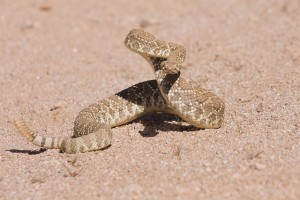 to a stop like the Road Runner cartoon character on the edge of a cliff. A rattlesnake tumbles off the rock next to me dead center on the trail in front of me. Only 6” from my feet, my body hovered over it still being pulled by my forward momentum.
I hear myself utter a fearful sound I’ve never heard myself make before. My breathing stops. All of my attention and focus goes to regaining my balance. I’m feeling real fear, much stronger than all the pointless worry of a few minutes ago. True fear totally consumes my body, giving me an alertness and activation that helps me with this threat. Yet there is enough focus and stillness inside, to watch what is happening and notice I have not been bit. The snake too was startled and all of its energy was going into curling up in it’s defensive position, which gave me time to back away.
We both stand our ground and stare at each other. My heart pounding, I breathe deep and regain my composure. It too is still, not rattling, just watching me. We both hold our places, no longer in the grips of fear. After a few minutes of watching each other and soaking in what just happened, I thank it for the experience and find an alternate route to continue on my journey.
Curiously, I notice that the rest of my run I’m actually not going on alert with every stick like before the meeting. The real encounter with an actual danger seems to have increased my ability to discern the real threat from the perceived threat.
My brain thought it was keeping me safe by raising my fear any time it saw a stick, but in fact it wasn’t real fear, and it was only distracting me from what was real. Having a snake 6” away from my foot triggered the real thing. And it reminded me that most things that can really hurt us can’t be predicted anyway, we just have to trust ourselves, trust our body, trust our experience, and trust our support to do what needs to be done when action is needed.
As tends to happen on my outings in nature, I realize there are so many ways this experience speaks to the challenges and ways I’m needing to grow right now. There are so many false fears in my mind about life, social situations, business decisions, my career, relationships, and more. And I see how they are all distractions. And the level of fear my worries present me with is so low, compared to a real danger. But I often perceive them as real, I don’t like feeling them, and I let them limit me.
Well, I used to. Knowing how the brain works, I know this experience created some new pathways in my brain. Just thinking about these things isn’t enough to change, but this helpful rattlesnake gave me a valuable experience. It will now be that much easier to see worry for what it is now that my perception has been changed. And I get to be grateful for yes, even a rattlesnake.
I hope you get out in the world and have your own lessons and life changing experiences. They happen anywhere, when you are open to your experience, whatever it may be. Just try not to play with rattlesnakes if you don’t have to. Hopefully you can learn your lessons easier. 🙂
~chuck
What do you think? Better yet, what do you feel? What do you experience? Let’s continue the conversation! You can find me at www.innerlifeadventures.com or email[email protected]. Want to meet? Here’s how.
Chuck Hancock, M.Ed, LPC is a National Certified Counselor, Licensed Professional Counselor, and a Registered Psychotherapist in the state of CO. He has completed comprehensive training in the Hakomi Method of Experiential Psychotherapy, a mindfulness mind-body centered approach. Chuck guides individuals and groups in self-exploration providing them with insight and tools for change. He also incorporates nature as a therapy tool to help shift perspective and inspire new patterns.
Image Used under Creative Commons by David O on Flickr