After 6 great years in the historic Stover Mansion, it’s time to grow. The biggest reason is that I am expanding my group offerings and I need more space to offer more groups and work more comfortably with couples and families. And I will be joining one of the oldest and experienced collaborative group of therapists in Fort Collins, allowing me to be more supported and continue to grow and collaborate with a great team and serve you better. I will however still be an independent organization, still be called Inner Life Adventures, and most importantly still be me.
I wanted to give you ample notice to help you prepare for the change and give you time to discuss and ask anything you need to know about this move.
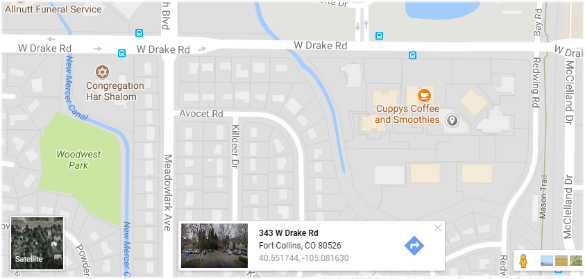
The new space is in the Drake Professional Park which is centrally located just west of College Ave, across the street from the CSU Vet Hospital and right next to Cuppy’s Coffee shop. You can get in and out of the office park easily from the traffic light on Redwing Rd. There are also a few entrances directly off of Drake Rd. It is also easily accessible by the MAX transit route.
The new office will be larger, in a suite of offices with other practitioners, with a larger waiting area privately behind a closed door. It is also quieter, has more windows, and overlooks lots of trees.
The other practitioners in the group who will be in the same office suite are: Raina Denmark, PhD, Lauren Maples, PhD, Paul McClure, MS, and Aaron Meng, MD.
The address is:
343 West Drake Road
Suite 200
Fort Collins, CO 80526
There is much more parking available here. To find my office, go in the front door of the 343 building. You’ll find it where the arrow points below. Go upstairs or take the elevator. From the top of the stairs go to your right and Suite 200 is the first door on your left. You can help yourself to water and tea in the waiting area. I’ll find you there when it is time for your appointment. Please allow a few extra minutes for you to find the new space your first time there. All appointments will be held in this new space starting November 1, 2017.
Let me know if you have any questions or concerns so we can discuss ahead of time. I look forward to continuing to serve you in this new space!
Summary of research and a few exercises you can use
I don’t use the word should very often. It’s a dirty word. And who am I to tell anyone they should do anything? But I will right now: you should get outside more! And it’s not just me saying this, it’s science!
I’ve long been a lover of the outdoors participating in numerous sports and other outdoor activities over the course of my life. However it was about 10 years ago when I was on a 4 day backpacking trip with a self admitted stress-loving over-working friend of mine that I first caught a glimpse of the true power of the wilderness beyond being just a venue for recreation. It was on this trip that I solidified my decision to go back to grad school to become a counselor because I wanted to help people get to the place of openness, self-exploration, relaxation, and motivation that I saw in my friend that day. I’ve learned a lot of skills and tools over the years, but none have been as good as nature to get the effects I saw that trip.
One of my biggest fears is being judged, so I’ve only dipped my toe in the outdoor therapy world until this point. The last thing I want to be judged as is a long haired tree hugging hippy who takes people into the woods to reconnect with nature with drum circles to find their lost soul (Not that there is anything wrong with any of that – I’ve done them all and they are great! You may consider trying those things too 😉 ). But I know that scene is repulsive to some people so I’ve purposely stayed away from it professionally, because I know that sometimes people who are afraid to drop their guard enough to try something that far out of their comfort zone can be the people that need the power of the outdoors most.
So lately, I’ve been excited to find that more research is being done to understand what effects being outside does have on our minds and bodies. In this recent National Geographic article, the author does a great job summarizing the results of international research from the past few years. I still recommend reading it, but here are some of the main research points if you don’t have time.
Scroll down to the bold print to skip the research and get right to the exercise.
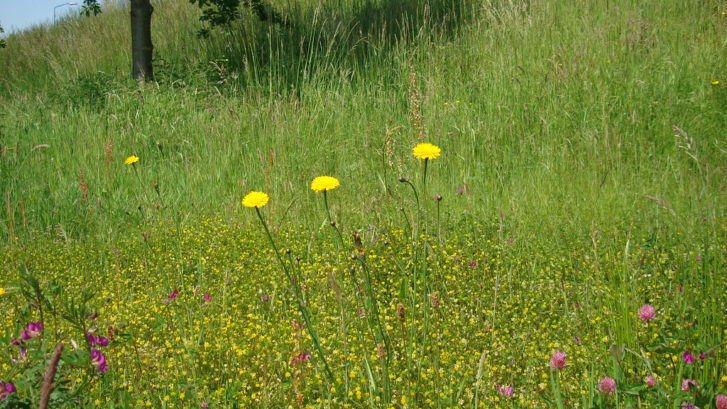
Being outside helps your brain take a break from it’s constant use. This can reduce stress, increase creativity, and produce a difference in qualitative thinking. We think it lets the pre-frontal cortex unplug for a bit (the part of our brain in charge of cognitive function, rational thought, planning, personality, social expression,
inhibitions, decision making, executive functioning, and more.) The most pronounced changes happens after being outside for 3 days.
But even a 15-minute walk in the woods causes measurable changes in physiology. Japanese researchers at Chiba University sent 84 subjects to stroll in seven different forests, while the same number of volunteers walked around city centers. The forest walkers hit a relaxation jackpot: Overall they showed a 16 percent decrease in the stress hormone cortisol, a 2 percent drop in blood pressure, and a 4 percent drop in heart rate. Researcher Miyazaki believes our bodies relax in pleasant, natural surroundings because they evolved there. Our senses are adapted to interpret information about plants and streams, he says, not traffic and high-rises.
The South Koreans have been doing research on the impact of work stress, long hours, digital addiction, and academic pressures. They are now devoting some forests as healing centers and prescribing time in nature to help combat these maladies. They have research that shows forest healing reduces medical costs
Several unrelated studies in England, Denmark, Canada, and Scotland all showed lower mortality, fewer stress hormones, less mental distress and lower incidence of 15 diseases including depression, anxiety, heart disease, diabetes, asthma, and migraines even when adjusted for confounding variables. That is levels of income, education, employment, and exercise did not effect the data. Just living near green space made a difference. If anything, lower income people seemed to benefit the most.
“In Finland, a country that struggles with high rates of depression, alcoholism, and suicide, government-funded researchers asked thousands of people to rate their moods and stress levels after visiting both natural and urban areas. Based on that study and others, Professor Liisa Tyrväinen and her team at the Natural Resources Institute Finland recommend a minimum nature dose of five hours a month—several short visits a week—to ward off the blues. “A 40- to 50-minute walk seems to be enough for physiological changes and mood changes and probably for attention,” says Kalevi Korpela, a professor of psychology at the University of Tampere. He has helped design a half dozen “power trails” that encourage walking, mindfulness, and reflection. Signs on them say things like, “Squat down and touch a plant.””
“Korean researchers used functional MRI to watch brain activity in people viewing different images. When the volunteers were looking at urban scenes, their brains showed more blood flow in the amygdala, which processes fear and anxiety. In contrast, the natural scenes lit up the anterior cingulate and the insula—areas associated with empathy and altruism. It may also make us nicer to ourselves. Stanford researcher Greg Bratman and his colleagues scanned the brains of 38 volunteers before and after they walked for 90 minutes, either in a large park or on a busy street in downtown Palo Alto. The nature walkers, but not the city walkers, showed decreased activity in the subgenual prefrontal cortex—a part of the brain tied to depressive rumination—and from their own reports, the nature walkers beat themselves up less.”
And the nature you visit doesn’t have to be in a wilderness area and it doesn’t just affect mood. Another study showed a 50-minute walk in an arboretum improved executive attention skills, such as short-term memory, while walking along a city street did not. “Imagine a therapy that had no known side effects, was readily available, and could improve your cognitive functioning at zero cost,” the researchers wrote in their paper. It exists, they continued, and it’s called “interacting with nature.”
To summarize, there is research that suggests viewing and/or being in nature can reduce stress, reduce disease (including depression, anxiety, heart disease, diabetes, asthma, and migraines), decrease blood pressure and heart rate, improve attention, improve mood, increase empathy and altruism, increase creativity, decrease depressive rumination, and while I haven’t seen research that supports this, my experience is that most people tend to enjoy themselves and have a good time. Not bad for something that is free.
So like I said earlier, you really should get outside more. Just getting outside can help. Do it regularly, do it often, and at least once in a while, go for longer periods of time. If you want to make your time outside even more restorative and connecting, here’s a few tips and tools I’ve learned from personal observation that can enhance your experience.
Disconnect from time. If you have a time limit, set a timer or alarm for 1/2 the amount of time you are willing to give to this experience. When this sounds, you will need to turn around and make your way back. Until then, don’t worry about time, your timer will tell you when you need to head back. Let yourself be fully present to the natural environment.
Mark your transition from your urban/suburban/societal/structured/scheduled life into the natural world. When you leave the parking lot, sidewalk, building, etc and enter into natural space, make a mental note that you are shifting from one way of being into another. At this point, be sure your phone is on silent, your to-do list is put away, your calendar holds your obligations, and anything that is taking mental space is put on hold for the duration of your journey.If necessary, physically stop and mentally put down stresses, issues, people, thoughts, feelings, responsibilities, or anything currently bothering you that could get in the way of you being present with the natural world. Imagine a container to hold them and/or put them near a rock, tree, or entrance and leave them there. You can pick them up again on your way out (if you want).
If there is something you are pondering or something is really bothering you and you would be open to letting your creative subconscious mind work on it for you, set an intention or ask a question as you enter this space. Then drop it. Notice what you notice (see below) while you are in the natural environment, and maybe there will be some insight into your situation. Or maybe not, but it doesn’t hurt to try.
Come back to your senses! Just notice what you notice. When in natural space, let your analytical mind take a break and instead focus on your senses. What do you sense outside of you with your sight, hearing, smell, taste, and touch? What do you notice in your body as you move? What do you notice in your emotional and
energetic state? What thoughts pop into your mind automatically? Just notice what you notice, then notice something else. Over and over again while you are there.
Let your curiosity awaken. What do your eyes get drawn to? What sounds do you hear? What made them? Don’t worry about right and wrong or really knowing the answer. Just be curious. Which direction will you head? Let your curiosity and intuition be your guide. When you find something interesting, stop and study it with all your senses. What will you discover? I’m getting excited for you!
When it is time to leave, before you leave the space pause for a minute or two and reflect on all that you noticed. Offer thanks to yourself for letting yourself have the time and thanks to the space and any creatures, insights, or special moments that presented themselves.
Bring the experience back into your ordinary life. Write about your experience and/or tell somebody that will just listen. Let these questions guide you: What happened here? (Recount as much as you can) What did you learn from it? What are the bigger picture deeper lessons? How can it inform my life? How did this time outside help me?
So there you go. Get outside. Deepen in your relationship with yourself and with the natural world. Do this with a friend or family member and deepen in your relationship with them. If you have questions or would like to share your experience with this exercise, I’d love to hear from you. Email me at [email protected]. Hope to see you outside!
Chuck Hancock, M.Ed, LPC is a Licensed Professional Counselor in the state of CO. He has completed comprehensive training in the Hakomi Method of Experiential Psychotherapy, a mindfulness mind-body centered approach. Chuck guides individuals and groups in self-exploration providing them with insight and tools for change. He also incorporates nature as a therapy tool to help shift perspective and inspire new patterns.
Is your analytic brain still not convinced? Here are links to more articles and research.
Hartig, T., Mang, M., and Evans, G. (1991). Restorative effects of natural environment experiences. Environment and behavior , 23 (1), 3-26.
Kaplan, R. and Kaplan, S. (1989). The Experience of nature . Cambridge Press.
Kaplan. S. and Talbot, J. (1983). Psychological benefits of a wilderness experience. In Altman, I. and Wohlwill, (Eds.), Behavior and the natural environment . New York: Plenum Press.
Turner, V. (1969). The ritual process . Chicago: Aldine.
Ulrich, R. S. et al. (1991). Stress recovery during exposure to natural and urban environments. Journal of environmental psychology , 11 (3), 201-230.
Do you know of a good study not cited here? Please send it my way. I’m collecting good empirical support to make time in nature an “Evidence Based Practice.”
As I was hiking this morning, I was watching myself, being aware of what I was doing, thinking, feeling, and sensing and a thought occurred, that mindfulness is about so much more than our mind. As a former software engineer, I was living in a world of thought and cognition, which of course is helpful for many things, but not everything life gives us. There is so much more to the mind than just thought, and if our definition of mindfulness is only on thoughts or the absence of thought, there’s so much more we are missing.
Don’t hear me wrong, being more aware of our thoughts, evaluating them as fact/opinion, true/false, helpful/not helpful and working to actively change thought is an essential first step. It is the foundational basis of Cognitive Behavioral Therapy (CBT) which has been the primary treatment for a couple decades now, but of course there is more.
First let’s be clear that our “mind” is different than our brain (the lump of cells in our skull). And even our brain is not just thought. As anyone who has seen the movie Inside Out will know, there are memories, emotions, core beliefs, and more that shape our personality and all are contained in our brain. (As a side note, if you have not seen this movie yet, go see it!) Our “mind” is much broader and includes all of the components of the brain mentioned above, the remainder of our nervous system, body, and more. Dr. Dan Siegel, clinical professor of psychiatry at UCLA School of Medicine defines the mind as “an embodied and relational process that regulates energy and information flow.”
His definition is dense and can be broken down into much detail, but for now I just want to elaborate on a couple of points. The mind regulates information flow – taking in information from our environment, information occurring within us, and information that may or may not leave us through expression. The mind regulates energy input and output, such as the clamping down and low energy state known as depression. The mind is embodied, that it is includes our central nervous system and peripheral nervous system that runs throughout our body and feels and expresses through the body. And the mind is relational – our mind is influenced, shaped, impacted, and includes our relationships of the past and present.
So when we talk about mindfulness, we have to keep in mind that our mind is not just our brain, which is not just our thoughts. It’s helpful to start with tools that help us learn awareness and focus, but then we also need to keep in mind that when we talk about mindfulness, we also need to consider and work with body-fulness, emotion-fulness, sense-fulness, thought-fulness, memory-fulness, self-fulness, other-fulness, relation-fulness, heart-fulness, personality-fulness, habitual behavioral pattern-fulness, and all the other components of being human.
You can try some exercises and see a diagram of this on my Mindful Practice page.
To explore all these areas, it takes awareness, skill, willingness, patience, and it is quite helpful to have a guide. After all, how do you explore the relational aspects of mind by yourself? Further, most of us tend to stay in our habitual comfort zone, and having someone to help point out the things we are not seeing on our own is an important part of the process of growth and healing. Exploring all of this is what Dan Siegel calls “Mindsight,” and I call it your Inner (and outer) Life Adventure.
Happy exploring!
Chuck Hancock, M.Ed, LPC is a Licensed Professional Counselor in the state of CO. He has completed comprehensive training in the Hakomi Method of Experiential Psychotherapy, a mindfulness mind-body centered approach. Chuck guides individuals and groups in self-exploration providing them with insight and tools for change. He also incorporates nature as a therapy tool to help shift perspective and inspire new patterns.
Around the new year, I reflect on the past year and reevaluate my direction for the new year. This year, I’m clear that I’ve made a lot of progress on my goals, and yet they are big enough that I’m still working toward them. Sometimes it takes years or even a lifetime of revisiting and refining the same things to accomplish the things that are really important to us. That’s what it is like to live your mission. What is your mission?
My mission is connection. Connection to myself, to others, to my community, and to the world as a whole. And partly because we teach what we need to learn for ourselves and because I want to share the gifts and lessons I’ve
Taking Steps, Exposed, Vulnerable
received in my life, much of the way I work with individuals, couples, and groups invites people into deeper connection with themselves, each other, and the world as well. Your mission may be different, yet I’d bet there is something in what I’m learning about living my mission that will help you with your mission as well. (Or if nothing else, you might find some ideas that help with your relationships.)
In recent years, I’ve learned that the two biggest things that hold me back are fear and lack of trust (which are closely related by the way). So when I stumbled on a video of Brene Brown outlining what it really takes to trust, I ate it up. It shined a spotlight on where I’ve been falling short in my mission and inspired me to take more responsibility for trusting and connecting – both to myself and others. Wait, so what is trust?
Charles Feltman defines trust as this: “Choosing to make something important to you vulnerable to the actions of someone else.” And his definition of distrust follows with, “what I have chosen to share with you that is important to me is not safe with you.” Wow. That is clear. So , how we you trust, really?
To learn how to trust, Brene Brown dug into her own research and research by as well-known relationship expert John Gottman. Gottman says: trust is built in small moments over time. Stopping what you are doing to attend to someone in need or pick up the phone to check in when you are thinking about someone and asking about specific things you know are important to them builds trust and connection. Failure to choose connection and support when the opportunity is there is a betrayal of trust and relationship.
Another surprising finding is that asking people for help when needed helps prove trustworthiness. It shows we won’t take on more than we can handle and we will ask for help when we do. When we don’t do this, people won’t come to us because they don’t believe we can handle what they want to ask or share. This one was huge for me and speaks so much about honoring ourselves and our limits and boundaries.
Diving deeper into trust, we see when we trust, we are BRAVING connection. With ourselves and with others. Brene Brown came up with the acronym BRAVING to describe in more detail the components of trust.
B – Boundaries – When I know your boundaries, and you hold them, and you know my boundaries and respect them, there can be trust. Without clear boundaries and respect of boundaries, there is distrust. Boundaries create safety; safety creates trust. Its why we build fences and walls. So much more can be said about this, I’ll save it for a future post.
R – Reliability – There can only be trust if you do what you say you are going to do and I do what I say I’m going to do consistently over time, not just once. How many times do we not do what we say we will do. “It was really great seeing you. Let’s get together again soon for lunch.” And it never happens? I know it’s just a saying and everyone says it, but trust is broken. Let’s just share the awkwardness of knowing it may be a while before we meet again. Being reliable creates trust.
A – Accountability – You are allowed to make mistakes. I can only trust you if when you make a mistake you are willing to own it and make amends and you can only trust me if I am allowed to make a mistake, be honest about it, and make amends. Being accountable creates trust.
V – Vault – What I share with you, you will hold in confidence. What you share with me I will hold in confidence. When we gossip about someone sharing something that is not ours to share, we think we are connecting over juicy information, but we are proving ourselves untrustworthy. Keeping confidence creates trust.
I – Integrity – I cannot be in a trusting relationship with you unless you act from a place of integrity and encourage me to do the same. What is integrity? Doing what is right, even when nobody else is looking. Brene’s definition is far more challenging and eloquent. “Choosing courage over comfort. Choosing what is right over what is fun, fast or easy. Practicing your values, not just professing your values.” Let’s meet each other in integrity. Being in integrity creates trust.
N – Non-Judgement – I can fall apart, ask for help, struggle, suffer, and make mistakes without being judged by you and you will find the same with me. Without this, we can’t be safe to ask for help and we can’t truly reciprocate it. When we assign a value to reaching out or needing help by thinking less of the other person or judging them in any way for what they are doing or feeling it destroys trust. Or even more importantly when we think less of ourselves for reaching out or needing help, we are consciously or unconsciously thinking less of the other person for their needing help. You can’t have true trust if you are judging the other person, or ourselves in big or small ways. Acceptance creates trust.
G – Generosity. Our relationship is only trusting if you can assume the most generous thing about me and my intentions and then check in about it if it doesn’t feel right. I will do the same for you to help us both stay in integrity. There is a lack of trust when we assume poor intentions and don’t check it out with the other person. Assuming positive intentions and having unconditional positive regard creates trust.
Building trust, strengthening the weak spots, and sharing about breakdowns in trust facilitates connection. Trust makes connection easy.
And these same principles apply to trusting and connecting with ourselves as well as trusting and connecting with someone else. Looking at ourselves: How well do we know our own boundaries and honor them? How often do we do what we tell ourselves we are going to do? How good are we at admitting and forgiving ourselves for our mistakes and shortcomings? How good are we at choosing who to share with and how much is in our best interest to share? Are we in integrity with ourselves and our value? Can we refrain from judging and being critical of our thoughts and actions? Do we assume that we are doing our best and had positive intentions? By these measures, do we really trust ourselves? Can we achieve our mission if we don’t trust ourselves?
When we become aware we are not trusting or in connection with ourselves, reflecting on these definitions can give us benchmarks. This map shows us where our obstacles are to deeper relationship, trust, and connection are happening so we can name it, repair it, and ask for what we need from ourselves and from others.
To tie this all together: Do you know your mission? Are you living it? In every small moment? Can you achieve your mission alone or is it so big do you need the help and support of others? You probably need strong relationship with yourself and others to achieve your mission. Do you have strong relationship and connection with yourself and others? Do you trust yourself to achieve your mission? Do you trust others to help? If not, where are your obstacles?
Thanks for joining me on this small part of my mission. Will you join me for more?
Chuck Hancock, M.Ed, LPC is a Licensed Professional Counselor in the state of CO. He has completed comprehensive training in the Hakomi Method of Experiential Psychotherapy, a mindfulness mind-body centered approach. Chuck guides individuals and groups in self-exploration providing them with insight and tools for change. He also incorporates nature as a therapy tool to help shift perspective and inspire new patterns.
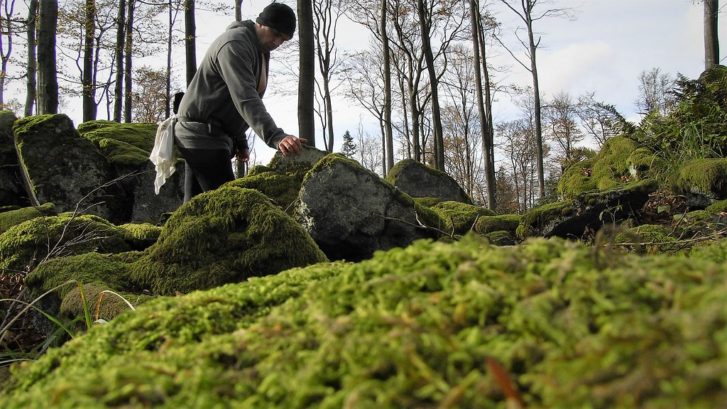
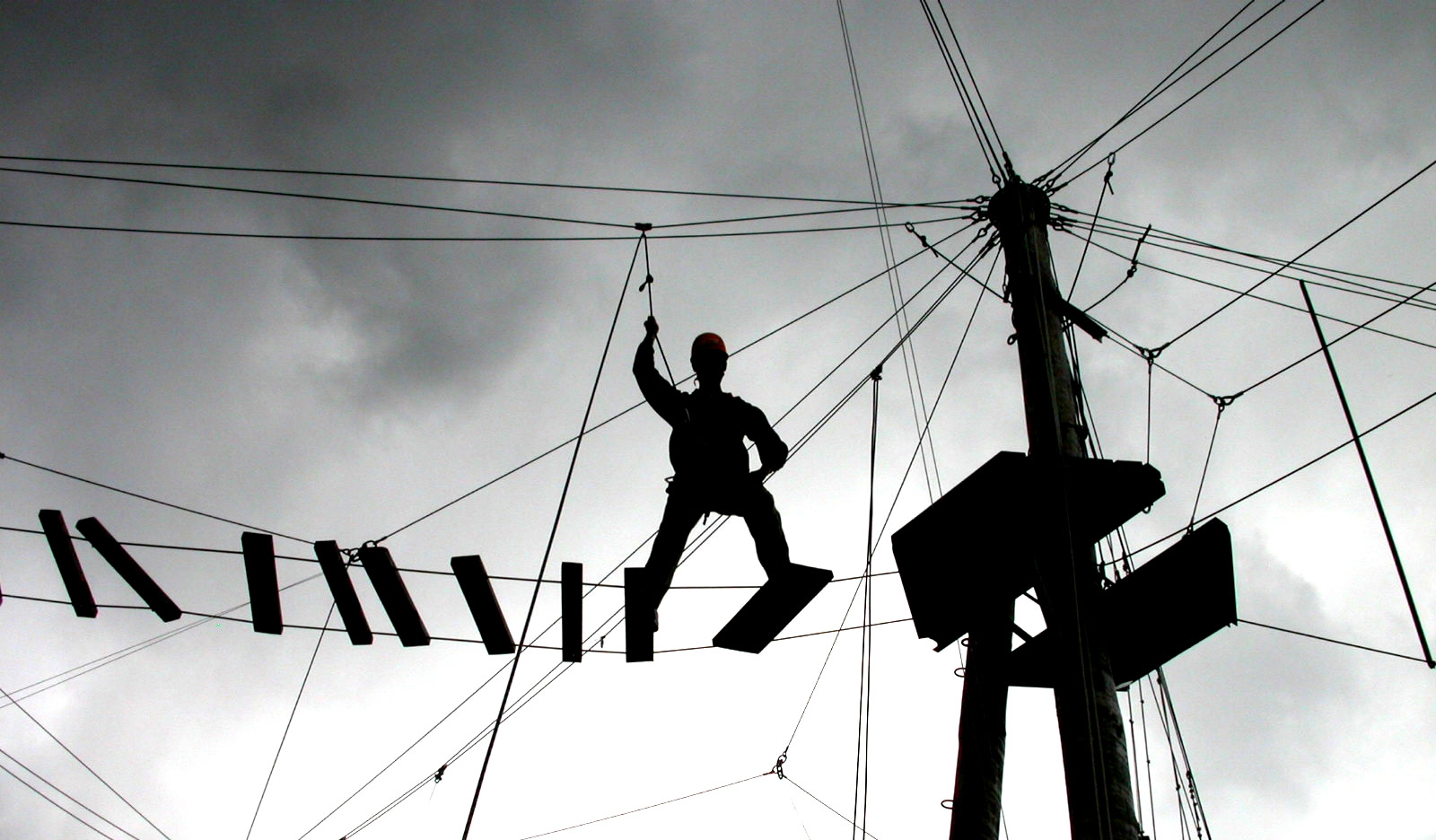
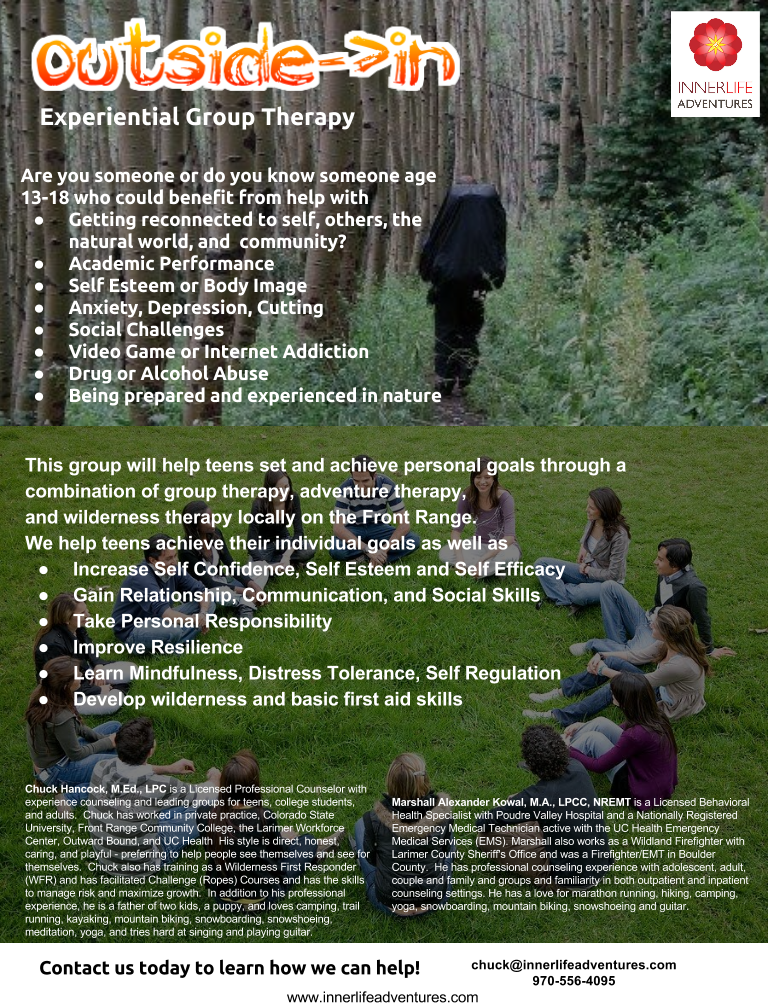
Join us for a new first of its kind hybrid group therapy and wilderness therapy group for teenagers locally on the Front Range based out of Fort Collins, CO. This outdoor group was created to offer the best of coaching, therapy, and wilderness adventures to adolescents without the cost and time commitment of traditional backcountry programs.
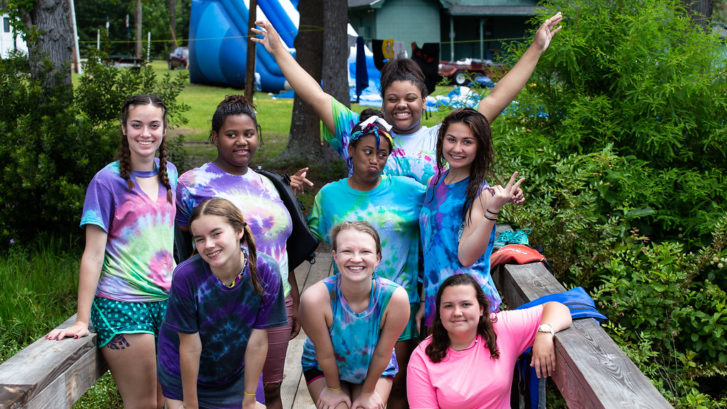
This group is open to all teens of all genders regardless of “issue” who are simply looking for personal growth by getting outside and joining in a community of peers, connecting with themselves, others, and nature. Through exploring themselves, overcoming challenges, developing new skills, and being guided by expert facilitators our participants learn to bring the best of the lessons and experiences of the outside…. in.
Most of us have a conflicted and misinformed relationship with anger. On one hand, some people think it anger is bad and do everything
Photo By: Lara Schneider
possible to stay well away from it to never risk feeling that way and when it does slip out, they feel guilty for being angry. Or for other people it is the go-to emotion. Anger is the only reaction that is possible and it gets overused with the wrong people at the wrong times. Obviously, as with most extremes, neither reaction to anger is healthy.
Anger is a natural and helpful emotion that says, “something is happening I am really not okay with” or “something is not happening that I really need.” Anger is our system’s response that says this is so important, I’m going to do whatever it takes including getting bigger, louder, faster, stronger, and more powerful to make it happen. Obviously, without this reaction, we can get taken advantage of, resulting in even more hurt. So it is important to never cut ourselves off from our anger. But it is also helpful to learn how to be angry in a helpful and productive way to avoid doing damage to those we care about.
Here are a few tips for having productive anger:
1) Slow down. When we get angry, our nervous system is aroused. Its the “fight” part of the “fight or flight” response. But we can and need to consciously control this. Name for yourself (and others) that you notice yourself getting activated. Take slow deep breaths. Take a time out. Go for a walk or run outside. Avoid acting from our anger.
2) Identify what is happening that is really not OK or what you really need that is not happening in the situation. See if there is another emotion under the anger. Write down these needs and/or feelings for yourself or share it with a trusted friend. Eventually, in a calm state, you will want to share this with the source of your anger.
3) Take responsibility. Do not blame the other person. Acknowledge the specific actions that led to your anger and own your reactions and emotions.
4) Make a request for things to be different. Now knowing what you need, you can now find a way to creatively, rationally, and collaboratively get closer to what you are hoping will happen.
Practicing these things help bring us in closer relationship with ourselves and others. Always acting from anger or avoiding it ultimately cuts us off and distances us from ourselves and others leading to resentment or hurt feelings. Of course, it’s not easy, but it’s a worthwhile practice. Good luck! Let me know how it goes.
Chuck Hancock, M.Ed, LPC is a National Certified Counselor, Licensed Professional Counselor, and a Registered Psychotherapist in the state of CO. He has completed comprehensive training in the Hakomi Method of Experiential Psychotherapy, a mindfulness mind-body centered approach. Chuck guides individuals and groups in self-exploration providing them with insight and tools for change. He also incorporates nature as a therapy tool to help shift perspective and inspire new patterns.
Want more? Check out The Right Way to Get Angry by the Greater Good Science Center at University of California Berkeley. With bonus video on how to stay calm during a fight in your relationships.
Ever since having a rattlesnake swim toward me and my kids a couple of weeks ago, every stick looks like a snake. Every stick causes a slight pause, a re-evaluation, and worry about getting bit. But this morning I got to see how unhelpful this really is.
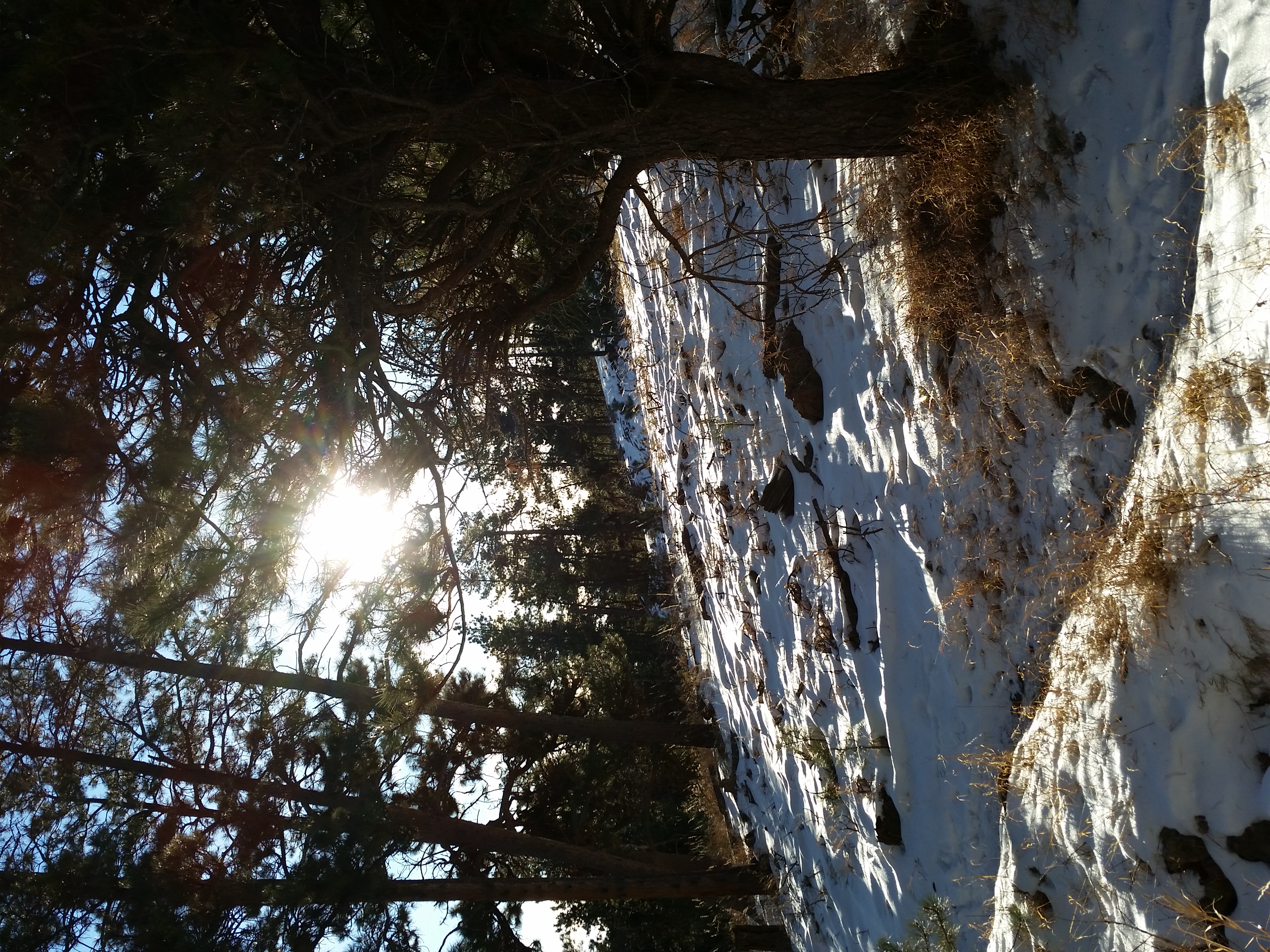
This morning I was running on a familiar trail, after many false snake sightings my brain started to grow tired of it. Then I heard it, the loudest most intense rattle I’ve ever heard. And it’s close. My body freezes, my eyes search for the sound, my feet shuffle to a stop like the Road Runner cartoon character on the edge of a cliff. A rattlesnake tumbles off the rock next to me dead center on the trail in front of me. Only 6” from my feet, my body hovered over it still being pulled by my forward momentum.
I hear myself utter a fearful sound I’ve never heard myself make before. My breathing stops. All of my attention and focus goes to regaining my balance. I’m feeling real fear, much stronger than all the pointless worry of a few minutes ago. True fear totally consumes my body, giving me an alertness and activation that helps me with this threat. Yet there is enough focus and stillness inside, to watch what is happening and notice I have not been bit. The snake too was startled and all of its energy was going into curling up in it’s defensive position, which gave me time to back away.
We both stand our ground and stare at each other. My heart pounding, I breathe deep and regain my composure. It too is still, not rattling, just watching me. We both hold our places, no longer in the grips of fear. After a few minutes of watching each other and soaking in what just happened, I thank it for the experience and find an alternate route to continue on my journey.
Curiously, I notice that the rest of my run I’m actually not going on alert with every stick like before the meeting. The real encounter with an actual danger seems to have increased my ability to discern the real threat from the perceived threat.
My brain thought it was keeping me safe by raising my fear any time it saw a stick, but in fact it wasn’t real fear, and it was only distracting me from what was real. Having a snake 6” away from my foot triggered the real thing. And it reminded me that most things that can really hurt us can’t be predicted anyway, we just have to trust ourselves, trust our body, trust our experience, and trust our support to do what needs to be done when action is needed.
As tends to happen on my outings in nature, I realize there are so many ways this experience speaks to the challenges and ways I’m needing to grow right now. There are so many false fears in my mind about life, social situations, business decisions, my career, relationships, and more. And I see how they are all distractions. And the level of fear my worries present me with is so low, compared to a real danger. But I often perceive them as real, I don’t like feeling them, and I let them limit me.
Well, I used to. Knowing how the brain works, I know this experience created some new pathways in my brain. Just thinking about these things isn’t enough to change, but this helpful rattlesnake gave me a valuable experience. It will now be that much easier to see worry for what it is now that my perception has been changed. And I get to be grateful for yes, even a rattlesnake.
I hope you get out in the world and have your own lessons and life changing experiences. They happen anywhere, when you are open to your experience, whatever it may be. Just try not to play with rattlesnakes if you don’t have to. Hopefully you can learn your lessons easier. 🙂
Chuck Hancock, M.Ed, LPC is a National Certified Counselor, Licensed Professional Counselor, and a Registered Psychotherapist in the state of CO. He has completed comprehensive training in the Hakomi Method of Experiential Psychotherapy, a mindfulness mind-body centered approach. Chuck guides individuals and groups in self-exploration providing them with insight and tools for change. He also incorporates nature as a therapy tool to help shift perspective and inspire new patterns.
With so many “healers,” coaches, counselors, psychotherapists, and psychologists out there practicing thousands of methods, there are many misconceptions about what therapy is and isn’t. I can’t dispel all the myths, but here are a few things I’d like you to know.
1. People who go to therapy are not crazy. You are not crazy.
We all have challenges and unique ways of approaching them. Most people feel like they are unique and nobody has ever had the thoughts, feelings, or behaviors that they have. Guess what? We are all human. There is nothing inherently bad, embarrassing, or shameful about anything you are thinking or experiencing. Most of us only feel this way because we don’t take the risk to be vulnerable and share the details of our inner worlds with others. You can be assured, no matter what you are facing, it may be challenging, you may be coping in ineffective ways, but you are not crazy.
2. Relationship is everything.
There are literally thousands of theories and techniques for doing therapy. You know what the one thing is that research shows will be a predictor of a successful outcome? Relationship. The level of trust and safety you feel with your therapist is the best predictor of success. If you don’t feel able to explore the deeper levels of truth first with yourself and also with your therapist, it will be really hard to make lasting changes. Trust and relationship take time to build, really. It can’t be rushed. It is the most important thing we will do. Nobody exists outside of some sort of relationship, and most of us have limited or no access to a truly supportive, deeply caring, and profoundly accepting relationship like can be developed here.
3. I’m not here to give you advice.
You will probably want it at some point, but I am not the expert in you or your life. You are. My job is to help you gain more trust and confidence in your own ability to lead your own life. I will gladly offer reflections of what you are saying, what it seems like you are saying that you are not aware of, and questions to help you get more clear, but your life is yours to live.
4. My job is not to psychoanalyze you.
See above. A good therapist will not claim to have all the answers. I certainly don’t. We are humans just like you. You are the expert in you. My job is to help you peel back the layers to become even more intimate with yourself, so that you know and feel that you are indeed the only one who can be the expert in you. And you are the only one that can make the changes in your life. My job is to be curious as we explore the unknown together, and maybe I can guide a little and empower you to continue with your own self-leadership.
5. All emotions are welcome. Especially anger.
Most of us have a challenged relationship with our emotions. Either we don’t feel or acknowledge them at all or we are totally ruled by them. Neither is helpful. Emotions serve a purpose: they repel us from things that aren’t good for us and bring us closer to things that are. Ignoring the wisdom of your emotions results in poor decision making and disconnection from yourself. And yet if your emotions are controlling you, you probably could use some balance by engaging your thoughts and rational mind more. The point is, therapy provides a safe and welcoming space where all your emotions are welcome, valid, and supported, even the ones that get a bad reputation such as anger. Emotions are an important part of being human.
6. You will probably backslide to old behavior patterns and I won’t judge you.
Most of us have been engaged in habitual thinking and automatic behaviors for a long time. There is a saying in neuroscience that says, “neurons that fire together wire together.” The longer you have a habitual way of thinking or behaving, the more that pattern gets imprinted in our brain. Our old patterns are kind of like the most popular hiking trails near town – they are well-trodden and easy to find. But when you try to make changes to your thinking and behaving, it is like starting a new trail by simply veering off the main trail. It takes many times walking the new path to wear it in, and even then it is still faint. It is much easier, safer, and more comfortable to stay on the familiar trail. It takes much more effort and intention to forge a new trail, but with time, it will also be easy for you to find and then you will have a choice of which path to take. Relapse is part of the change process, it is not failure. This is another reason it helps to have a guide who knows the terrain.
7. You deserve to be happy and only you are in control of that. I want to support you in having the life you want.
This is a complicated topic, but I want you to know that you only have one life and you deserve to enjoy it. Even if the changes you want to make seem huge and there are a lot of factors that seem in your way – relationships, finances, family, job, education, and more, there are ways to be happy in any circumstance, and there are ways to move toward something better for you. It’s worth it.
8. Therapy is weird. And special. And priceless. And takes courage.
Before people come to therapy, they usually try almost everything they can think of to do it on their own. Some approaches are helpful, others are not. People come to therapy for all kinds of different reasons. Therapy can help with many mental, emotional, and relational challenges – and even some physical (somatic) symptoms. But it can be hard to meet with someone who is a total stranger at first and talk about the most vulnerable and personal things that we sometimes don’t even want to share with our closest friends or family. And that is part of what makes it special and priceless. For most of us, we can’t find any other relationship like this where it is safe to talk about anything, and have it met with 100% acceptance, no judgment, and even some gentle support on how to do things differently.
Our automatic habitual thoughts and behaviors are mostly unconscious. Without outside input, it is likely we will stay stuck doing and thinking the same thing. When you are ready for a trained guide to take you out of the familiar and into a new life, we’ll be here. See you then.
Chuck Hancock, M.Ed, LPC is a National Certified Counselor, Licensed Professional Counselor, and a Registered Psychotherapist in the state of CO. He has completed comprehensive training in the Hakomi Method of Experiential Psychotherapy, a mindfulness mind-body centered approach. Chuck guides individuals and groups in self-exploration providing them with insight and tools for change. He also incorporates nature as a therapy tool to help shift perspective and inspire new patterns.
“The body has experience, the mind interprets experience, the environment stimulates experience.” ~Ron Kurtz
Hierarchy of Experience – Exploring the Mind-Body Connection
In our lives, most of us get locked in to one channel – thoughts and language. However, when we want to break out of what we know, and what we have always been doing, it is helpful to move into the realm of the unconscious. To do that, we have to engage with other channels to gather new information. I love working with clients who have tried therapy with other therapists that engage only in talk and leave thinking therapy doesn’t work, but are still motivated to create change in their lives. If you are ready to move beyond talk into deeper experience, here are some more paths to explore.
In a simplified representation of the brain, we can see other parts of the brain hold information and patterns that are also beneficial to access in therapy.
Reptilian Brain – Brain Stem and lower brain components – basic survival and life support functions like breathing, heart rate, digestion, movement, fight/flight/freeze response. Many shared structures with reptiles and animals. Animal Brain – Midbrain – Limbic system/emotional/relational systems. Passes and filters information between body/sensory information, brain stem, and rational thinking brain. Human Brain – Cerebral Cortex – especially Frontal Lobe. Top and most recent area of our brain to evolve. What makes us humans unique. Responsible for thought, language, meaning, logic, sequencing, right/wrong.
Standard talk or cognitive behavioral therapy only engages with the conscious, primarily the frontal lobe. This is effective in some cases, but not all information is accessible through logic and words. Engaging with other information sources we access other parts of the brain, which gives us access to deeper patterns, memories, and unconscious material.
The main channels we explore in somatic psychotherapy are:
Thoughts – words, narrative, internal dialog, automatic voices, etc. Information comes from the frontal lobes and left hemisphere primarily.
Tensions/Impulses – Places our body is tight, holding, posture, desires to move in some way that are inhibited. Information comes from basal ganglia, and hypothalamus.
Sensations in the Body – Can take many forms. Pain, sore, tender, energetic, shapes, temperatures, colors, walls, etc. Information comes from limbic system.
Emotions – Sadness, joy, anger, fear, etc. Information comes from limbic system, especially amygdala.
Memories – Past events which shape our beliefs and learning. Information from hippocampus, amygdala, cortex, and other sensory centers (visual, auditory, olfactory, movement, sensation, etc.)
Meaning – The lessons you learned from memories and experiences and what is important about it.
Core Beliefs – Patterns and rules we develop implicitly and explicitly about our world which guide present behavior and experience. Information comes from many parts, especially limbic system, needs to be reconnected with cerebral cortex to bring awareness and choice.
By studying and gathering information in all of these layers, we can gain access to the deeper patterns that lay outside of our conscious awareness which we miss only engaging in talk. Then we start to become more aware of:
Strategies – How we organize (mostly unconsciously) our behavior, relationships, thoughts, expression, inhibitions, and more. Often a result of attempts to get our needs met, despite having the experiences, rules, and beliefs we do.
Healing Relationship
We explore these sources of information and experience in the context of relationship. We can gather some of this information on our own, but we need an environment and human relationship to stir the pot. If we are limited to only self-exploration, we are staying within the system and existing patterns. Having a human relationship helps us explore the places we wouldn’t normally go on our own. And even more importantly, provides a non-judgmental, kind, loving, accepting relationship to help us heal the tender and sensitive parts of us. And having this experience helps teach us how to have a more kind, non-judgmental, loving, accepting relationship with ourselves.
My goal is to help people reconnect first to themselves; to their own heart, mind, and body. Then reconnect to people in their lives. Then eventually reconnect to the larger world in all of its complex systems in a more healthy way. When people can feel what real connection feels like, then they can bring that connection back to their families and friends. Once people have felt true connection, they don’t want to settle for anything less. When we restore connection, we restore hope.
Mindfulness
Mindfulness is simply awareness of present moment experiences with an attitude of acceptance, curiosity, and the ability to stay without needing anything to change. The ability to stay with discomfort, witness it, and learn from it. Mindfulness in therapy serves us in several ways. Primarily, it helps us to lower the noise inside and become more sensitive to what our systems are already communicating. Just as important, is the ability to witness, not identify with the patterns, thoughts, emotions, and sensations we see. Mindfulness expands the container. We are not our patterns, but it feels like that when we don’t have the big picture view that comes with mindfulness.
Mindfulness in psychotherapy is NOT to help us relax and feel better, to fix things, to make anything go away. This is often a side-effect that happens over time, but seeking to relax and feel better immediately can result in building new walls and closing down to important information. Our goal is to open to what is there, work with it, learn from it, heal it, and transform our relationship to it so that it is not running the show unconsciously anymore.
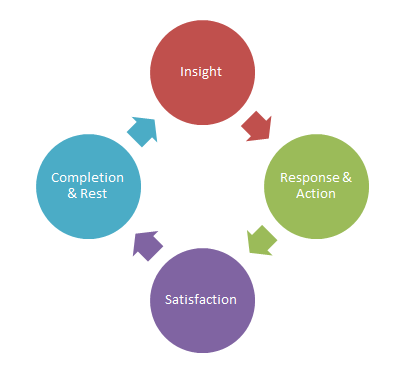
Sensitivity Cycle – A process map
One of the maps I use to help guide people through growth and change is the Sensitivity Cycle. It helps us to understand what is missing, and what needs to happen next. It is called the Sensitivity Cycle, because following it through once completes one cycle of change. Following it through many iterations leads to deeper self-knowledge and increasing sensitivity to ones patterns.
First we need information/insight. What is this? Why is it important? Where does it show up? (It is important to not this is the first step – not the last or only step.)
Next we need to be able to take action based on that information. We need an experience. Knowing this, how do I respond well? How do I cope, express, master?
Next we need to be able to be satisfied with our action. How do I be content, nourished, accepting, fulfilled?
Finally we need to be able to relax and feel complete. Can I rest, trust, integrate, be at peace?
This process is actually a circle, or spiral. It repeats, indefinitely through many layers as the relationship deepens. We can experience this cycle in many micro and macro levels, but when we look closely, we see we often get stuck at one point in the cycle. But when we can move through all of these steps well, we spiral into deeper knowledge and long lasting changes of our patterns.
Chuck Hancock, M.Ed, LPC is a National Certified Counselor, Licensed Professional Counselor, and a Registered Psychotherapist in the state of CO. He has completed comprehensive training in the Hakomi Method of Experiential Psychotherapy, a mindfulness mind-body centered approach. Chuck guides individuals and groups in self-exploration providing them with insight and tools for change. He also incorporates nature as a therapy tool to help shift perspective and inspire new patterns.
Authentic, attuned relationship is a huge focus of mine both personally and in my therapy practice. There is a lot of research supporting the importance of relationship as a healing factor. In this video, psychologist and sociologist Sherry Turkle who has been studying how technology changes not only what we do but who we are discusses the impact of technology on our lives. Some highlight quotes to tempt your curiosity:
“We expect more from technology and less from each other.”
“Technology appeals to us most where we are most vulnerable.”
“We are lonely, but we are afraid of intimacy.”
“From social networks to sociable robots we are designing technologies that give us the illusion of companionship without the demands of friendship. We turn to technology to help us feel connected in ways we can comfortably control.”
Relationships are hard, and messy, and we often don’t know what to say. Communicating only through technology gives us time to present our best self, craft the perfect message, but we miss each other in our authenticity. Despite being more connected than ever, I talk to more people than ever reporting feeling alone.
Chuck Hancock, M.Ed, LPC is a National Certified Counselor, Licensed Professional Counselor, and a Registered Psychotherapist in the state of CO. He has completed comprehensive training in the Hakomi Method of Experiential Psychotherapy, a mindfulness mind-body centered approach. Chuck guides individuals and groups in self-exploration providing them with insight and tools for change. He also incorporates nature as a therapy tool to help shift perspective and inspire new patterns.



 and produce a difference in qualitative thinking. We think it lets the pre-frontal cortex unplug for a bit (the part of our brain in charge of cognitive function, rational thought, planning, personality, social expression,
 difference. If anything, lower income people seemed to benefit the most.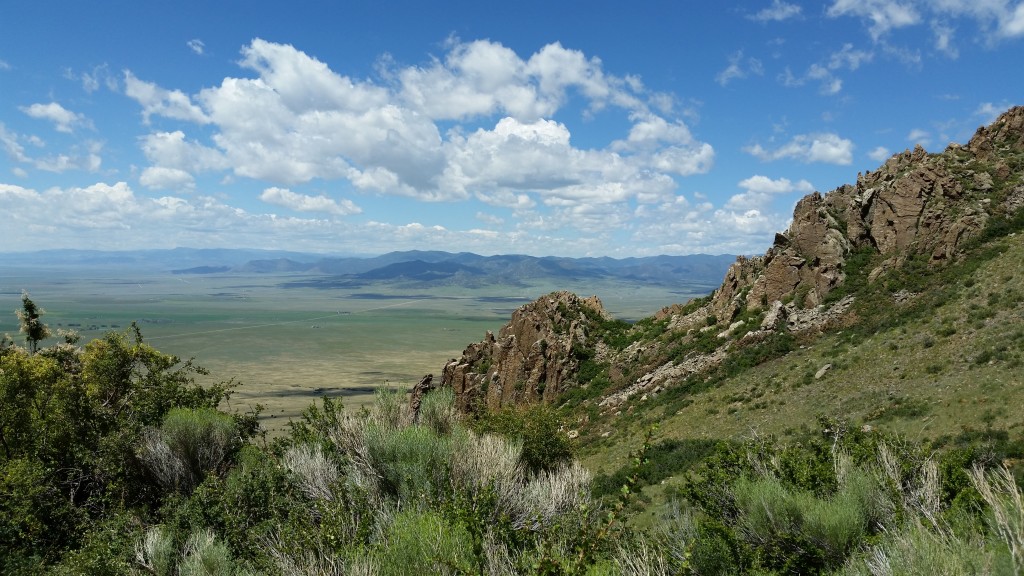
 analytical mind take a break and instead focus on your senses. What do you sense outside of you with your sight, hearing, smell, taste, and touch? What do you notice in your body as you move? What do you notice in your emotional and




 to a stop like the Road Runner cartoon character on the edge of a cliff. A rattlesnake tumbles off the rock next to me dead center on the trail in front of me. Only 6” from my feet, my body hovered over it still being pulled by my forward momentum.
 1. People who go to therapy are not crazy. You are not crazy.
 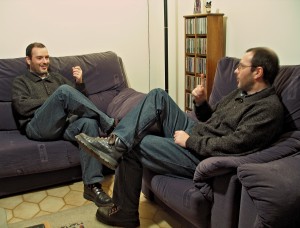 reflections of what you are saying, what it seems like you are saying that you are not aware of, and questions to help you get more clear, but your life is yours to live.