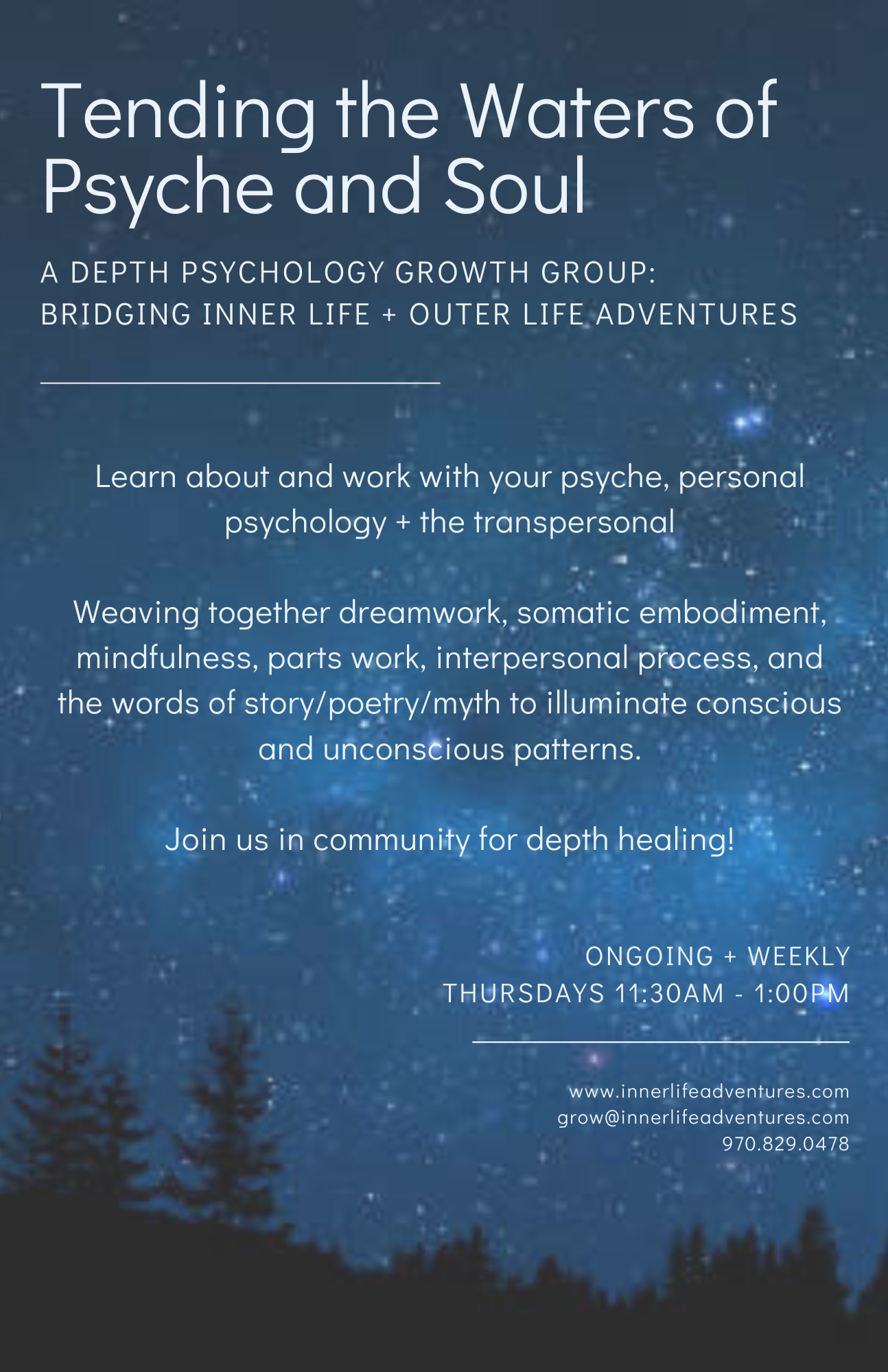
Tending the Waters of Psyche and Soul

A Depth Psychology Growth Group Bridging Inner Life and Outer Life Adventures

Some Definitions of Soul

  • an active or essential part
  • the part of the human being that thinks, feels, and makes the body act
  • the quality that arouses emotion and sentiment
  • energy or power of mind or feelings; spirit; fervor
  • the cause of inspiration or energy; leading spirit; prime mover
  • spiritual or moral force 
  • the embodiment of some quality; personification
  • the spirit of a dead person
  • the immaterial essence, animating principle, or actuating cause of an individual life
  • a person’s total self

You may or may not believe you have a soul. That is not a prerequisite for this group. If you have a desire to deepen your connection with, relationship to, and grow the health of any of the above descriptions, this group is for you. This group is a space to learn about and work with your psyche, personal psychology developed by your experiences and narrative about those experiences, interpersonal relationships (how you show up with others), and the transpersonal (anything bigger than and beyond yourself).

Join us in community for depth healing utilizing the map and mirrors of depth somatic experiential psychology. This group will bridge the world of our ordinary waking life roles and structures with that of our inner world. This is not a group about fixing you, teaching you skills, or requiring you to be “better” – rather it is a group where all of you, in your brilliance and in your struggle with shadow, is welcome. It is a group that is led by psyche, soul, and spirit informed by your life and experience facilitated by a trained guide (not a teacher).

In this group, you bring the topics – based on what is alive in you.  What is challenging you? What is inspiring you? What is showing up in your world that feels impactful or meaningful? Whether that aliveness is a dream you had, a poem or song that moved you, a meditation practice that taught you, a social media post that triggered you or brightened your day, grief that brought you to your knees, a stuck-ness so tight it paralyzes you or a movement that opened or freed you, this group is a space to bring more life and soul into your world in a community of fellow practitioners.


Who is this group for?

In the group process, there are many “problems” or pain points that can lead someone to join.  It could be anxiety in general, or about the state of the world and its political, social, economic, and health issues.  It could be that you are feeling depressed, stuck, stagnant, alone, misunderstood, or constantly sad.  You may have a hard time knowing your place in this ever changing world.  This group starts with the philosophy that we are all human, and we are all in this together.  And through working through our individual “problems” together, we help each other. And perhaps even see that they are not problems, but invitations to grow. This group is for people willing to engage in their own healing by giving and receiving support, and opening to wisdom and support of a variety of modalities that connect you with your heart, mind, body, and soul.

We aim toward self leadership and self actualization.  How do we do that?

We are all struggling to know and become the fullest version of our “real,” true, unique selves. We create a space to learn more about ourselves and experience new aspects of ourselves through content, process, and interpersonal relationships with other group members.

We recognize we have the tendency to deny our own needs and feelings. To pretend to be someone we aren’t or to avoid facing our true self inhibits growth. In this group, we take responsibility for owning our needs and feelings and expressing unexpressed thoughts, so the facilitator and other group members co-create the space to meet those new places in yourself and possibly have your needs and feelings met in an embodied way.

We believe each individual is endowed with the urge to expand, develop, mature, and reach self-actualization. We believe that true growth and healing come from within, and this group is designed to help facilitate that process. 

Even in the best of times, it is easy to fall into despair – by not living the life that is yours to live or by feeling disconnected from the greater story of life and your place in the order of things. In these times of chaos and uncertainty, this group will help you reconnect to the life that is yours to live and reconnect you with the bigger picture and meaning to provide fuel and inspiration for the challenges we face.

Logistics

Ongoing. Weekly. Thursdays 11:30-1:00. In person with a zoom in option for health or travel.

Open to all genders age 25+.

8-week minimum commitment to allow for relationships and group containers to form.  Stay as long as the group is beneficial to you.

Financial Investment $30-$60 per group sliding scale.

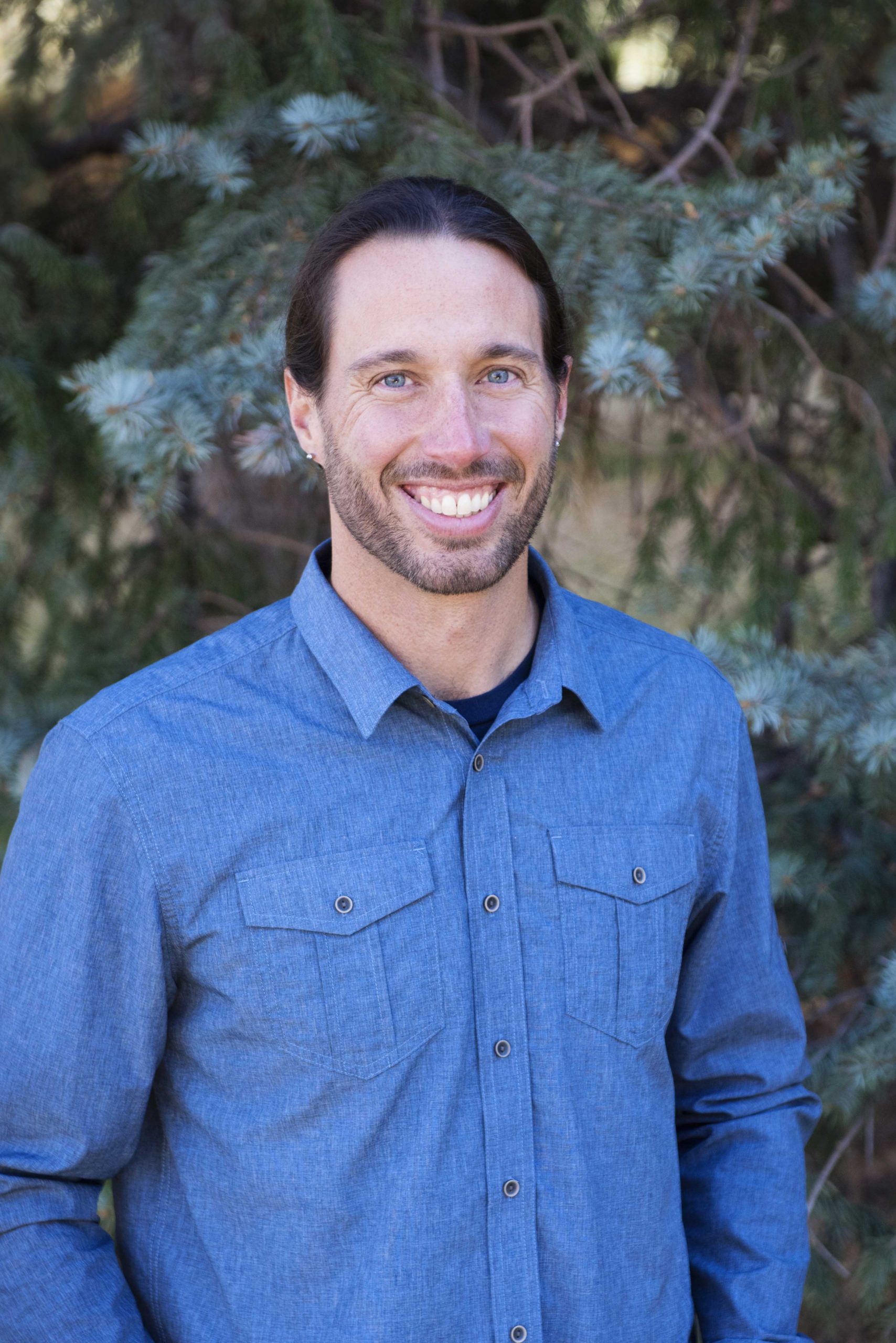
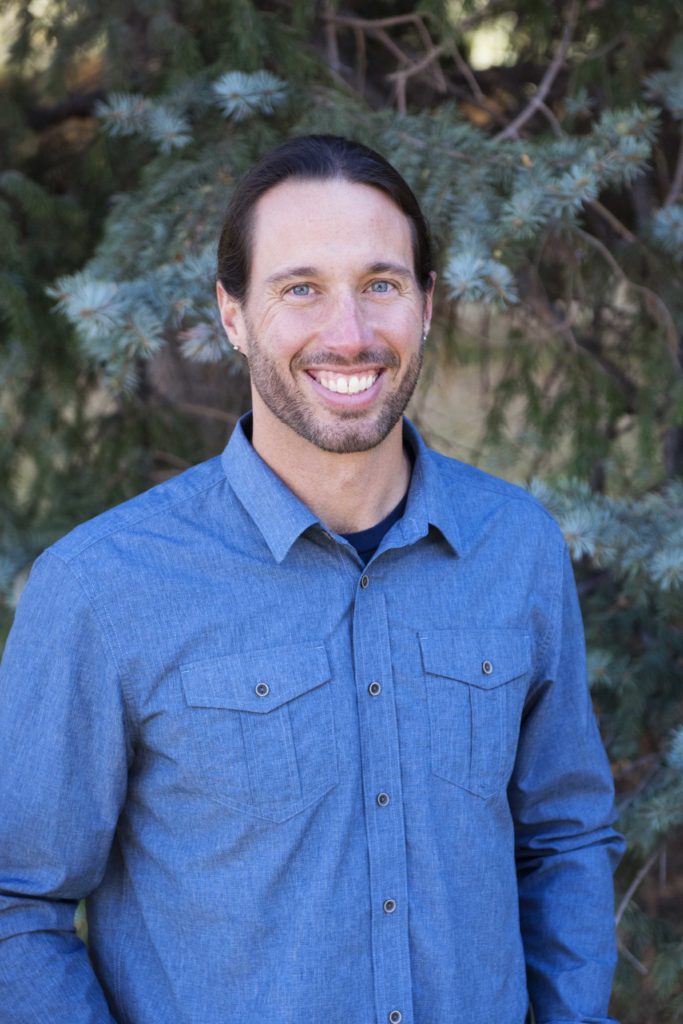
About the facilitator: Chuck Hancock, M.Ed, LPC is passionate about group work being an important part of our growth and healing journey.  With over a decade of experience guiding individual and group processes in council, dreamwork, interpersonal process groups, psychodrama, meditation, Hakomi somatic psychotherapy, ego state (parts) work, Jungian psychology, movement, music, and nature based practices. He weaves all of these practices together to help clients locate themselves in the world co-creating new experiences of authenticity, depth, meaning, insight, and inspiration.  With the diversity of members, modalities, and lineages the community formed in a group experience offers more possibility and amplification of the growth process.  


To register for more information to decide if this group is right for you, email [email protected] or call 970.829.0478.


“The guest is inside you, and also inside me;

you know the sprout is hidden inside the seed.

We are all struggling; none of us has gone far.

Let your arrogance go, and look around inside.

The blue sky opens out farther and farther,

the daily sense of failure goes away,

the damage I have done to myself fades,

a million suns come forward with light,

when I sit firmly in that world.

I hear bells ringing that no one has shaken,

inside “love” there is more joy than we know of,

rain pours down, although the sky is clear of clouds,

there are whole rivers of light.

The universe is shot through in all parts by a single sort of love.

How hard it is to feel that joy in all our four bodies!

Those who hope to be reasonable about it fail.

The arrogance of reason has separated us from that love.

With the word “reason” you already feel miles away.”

~Kabir

What Brings True Peace? Coping vs Thriving in a Chaotic World

Thankfully, there is no shortage of advice available on how to reduce stress and have more peace.  In our (over) information age, practically any mainstream media, social media, and all the flavors of helpers have made clear the benefits of mindfulness, yoga, exercise, and ….

Yet for some reason, people are still struggling, in some ways more than ever!  Why is that?


Yes, you could point to the pandemic along with social and political upheaval, however if we are really honest, you’ll see these problems existed long before 2020.  In the Interpersonal Process Men’s group I run, whenever someone would start to blame the pandemic and social isolation, I would ask, “So which of these problems that you are struggling with the most are new since the start of the pandemic?”  The answer was always none of them.

When I get new clients who have been following all the media advice, the first sessions sometimes sound like, “I know I just need to meditate more, or exercise more, or talk to my partner about it, and it will all be fine.”  That’s not wrong, but it ignores the fact that something is keeping them from actually doing it, and worse it can be turned into a “should weapon.”  That is “I should do this, I know this, what is wrong with me for not?”

Further, all of these skills fall into the category of “coping skills.”  These are things that you can do either immediately or proactively reduce stress and live a healthier life.  They don’t, however, actually change any of the deeper patterns that create high levels of stress in the first place.  I’ve worked with many highly educated, top-of-their-field type people who have very disciplined self-care and meditation practices, yet are still struggling and suffering deeply.  The higher you climb, and the higher the stress, the more coping skills become a band-aid, not a cure.

Side note: if you don’t have effective coping skills, you definitely need them.  See this article for some of my favorites.

So what brings true peace then?  In my experience, it is knowing yourself deeply, which includes knowing your human ego and what influences it, as well as knowing your soul and being in harmony with yourself.  This means disarming the critical voices and being able to love and see the value of all parts of us. Once we know these things, we can then live in better balance and alignment with our values and purpose.  This does not mean retreating from society, changing careers, having a better education, or a better-paying job.  Rather, it means you know how to engage fully with life, effectively coming from a place of knowing and trusting in yourself.

“In the midst of winter, I found there was, within me, an invincible summer.

And that makes me happy. For it says that no matter how hard the world pushes against me, within me, there’s something stronger – something better, pushing right back.”

― Albert Camus

Fully knowing yourself and achieving a fuller consciousness happen through living life and through honest self-reflection and self-appraisal, which can only occur in the context of a relationship with others.  If we do it alone, we stay stuck because we can’t see our blind spots.  Meditation and mindfulness is a great start and an essential tool.  But it doesn’t fully illuminate all parts of ourselves like being in a therapeutic relationship with a trusted mentor, guide, therapist, or friend.

So, don’t just settle for coping while adding more and more self-care to your busy schedule, especially if you then don’t get it done and beat yourself up about it.  Healthy coping and self-care routines are a great start and necessary foundation, but eventually you’ll need to get off the treadmill and carve out the time to truly know yourself in your shadow and in your brilliance.  And then you will be free to thrive in the world, no matter what challenges are thrown at you.  


Chuck Hancock, M.Ed, LPC is a Licensed Professional Counselor in the state of CO. He has completed comprehensive training in the Hakomi Method of Experiential Psychotherapy, a mindfulness mind-body centered approach. Chuck guides individuals and groups in self-exploration providing them with insight and tools for change. He also incorporates nature as a therapy tool to help shift perspective and inspire new patterns.

5 Foundational Tools and 200 Coping Skills Everyone Should Have for a Balanced Life

Here are the 5 Foundational Tools and 200+ Coping Skills Everyone Should Have to be able to self-regulate

Our mental and emotional stress ebbs and flows throughout life as our schedules, routines, and work tasks change.  Because of this, I highly recommend that we all do a daily check-in, two or three times per day, even with our current mental, emotional, physical, and stress levels.  The human body can only handle so much, and our mental, emotional, physical, and relational stress all take a significant toll on our nervous system.  

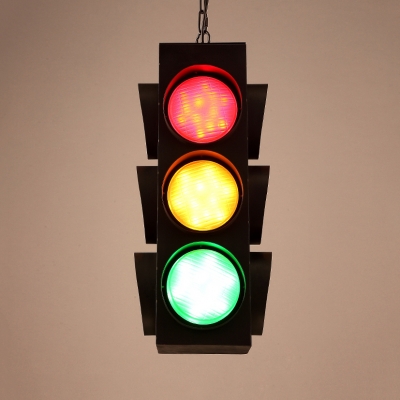
It doesn’t have to take too much time; a simple traffic light works great: 

  • Green – I’m good, great even perhaps!  Keep going (if you want to)!
  • Yellow – I need to be careful, use caution, pay close attention, consider slowing down.
  • Red – Stop right now or harm will come.  

Or if you are more numbers-focused, a 0-10 scale also works great, where 0 represents calm and relaxed, and 9-10 signifies stop right now, I can’t take any more. 

So once you start monitoring your nervous system and recognize that you need to reduce stress, what do you do?  There are 5 foundational tools, all supported by research, that are very effective in reducing stress as well as difficult moods like anxiety and depression.  Having these tools in your back pocket is great when you need to reduce your stress levels or, even better, build them into healthy life routines to maintain a sustainable pace as much as possible.

Mindfulness – Find several flavors of mindfulness exercises that work for you.  See my resources section, or check YouTube or apps like Insight Timer, Calm, or Headspace for many guided practices.  Some key practices are focusing meditation (on your breath, music, a candle, an object in nature, etc.), listening to relaxing music or binaural beats, body-scan meditation, walking meditation, and loving-kindness meditation. My personal favorite is walking in nature, paying attention to your 5 senses.

Exercise – Any exercise will do – walking, running, bodyweight fitness, calisthenics, weight lifting, stretching, yoga, martial arts, sports.  Get your body moving and heart rate up with activities that are appropriate for your body and skill level.  Even doing pushups, jumping jacks, burpees, until you can’t do any more for 5 minutes makes a difference!  You don’t have to commit to a full training program!

Nature – So much has been written on the benefits of nature.  See here for a brief introduction.  Go outside and use your 5 senses (hear, smell, sight, touch, taste – well, be careful what you taste outside).  It can be just outside your home, your closest park, a patch of grass, your closest favorite trail, or a wilderness destination.  Just get outside!

Communication – Communication helps you get beyond yourself to connect with other people, nature, pets, or the transpersonal (spiritual) realms. This is a big topic, but for now, know that being able to effectively communicate to connect with others beyond yourself so you can express yourself creatively and effectively is another essential skill.  There are many effective communication skills and strategies that you can learn, and there are many blocks to communication that can happen in yourself or with others.  Taking time to develop the ability to communicate your wants, needs, ideas, requests, and feelings is essential for a healthy, balanced life.  Which leads to:

Emotional Intelligence – The definition of an emotion in the Psychology 101 textbook I used to teach from is that it is a subjective physiological experience.  That is, your feelings are yours, and they happen in your body.  The foundation for knowing yourself, effectively communicating with others, and managing your stress is emotional intelligence.  Some people say that our thoughts control our feelings, which has some truth, but really, our emotions are often way more powerful than our thoughts.  Our minds create stories to make sense of our feelings at least as much as our thoughts create our feelings.  Knowing what you are feeling, to what degree, and being able to be honest with yourself and the right others is an essential skill for being human.  Research shows that no matter what culture, education level, or level of industrialization of your community, all humans feel the same 5 basic emotions:

Mad (also known as frustrated, annoyed, etc)

Sad (also known as down, blue, moody, etc)

Glad (also known as happy, joyful, content, peaceful, etc)

Fear (also known as anxious, nervous, tense, etc)

Shame/Guilt (pretty self-explanatory, but helpful to distinguish between Guilt – a healthy emotion of I did something wrong and feel bad about, and Shame – I am bad)

Being able to identify our basic feelings is a foundational step to a healthy, balanced life, understanding ourselves, and relating to others. I invite you to add onto the traffic light or 0-10 scale exercise above by naming the feeling that goes with it and where it is happening in your body.

When the above 5 Foundational Tools are well developed, it will go a long way to help you manage your life more effectively and live with greater wellness and health.  Getting skilled at using these tools takes time and practice.  Our team of therapists can help you learn and refine these skills.  Further, when you need a break because the stress is just too high (you are at a “red light”) and none of these foundational tools are working, it’s time for something more basic.  That’s when the coping skills below come in handy.  Use the ones that seem helpful to you, ignore the rest.  Everyone is different and likes different things.

So there you have it – 5 Foundational Tools to develop and 200 coping skills to help you live a healthy, well-balanced life.  If you get good at all of this, are living life effectively and are content, then give yourself a big congratulations!  That is something!  For many of us though, these skills are just the tools that make deeper exploration possible.  It’s difficult to do deeper therapy without these skills, but these skills are not the end of the road.  Once you are ready to understand the bigger picture patterns that create unneeded stress and keep you repeating the old patterns, you know it is time to seek an Inner Life Guide – a therapist skilled at depth work.  That is our specialty!


So, reach out when you are ready.  Whether you are at the beginning of the trail, haven’t yet left your home, or are deep in the wilderness, we’ll meet you where you are and guide you to greater health and wellness!

Big List of 200+ Coping Skills

Cognitive

  • Self-monitoring
    • Identify your stress level 
    • Identify your emotions
    • Identify how this shows up in your body
  • Cognitive restructuring
    • Challenging the truth/assumptions of your thoughts
    • Reframe with positive self-talk/reassurance
    • Say something kind to yourself
    • Say “I can do this”
    • Make a list of positive affirmations
    • List your positive qualities/strengths (and refer to it often)
    • Compliment yourself
    • Act opposite of negative feelings you’re experiencing
    • List things you are proud of
    • Make a gratitude list
    • Keep a daily positive experiences journal
    • Start a notebook with different inspirational and meaningful quotes
    • Make a “forget it” list
  • Setting and managing goals
  • Decision-making pros and cons
  • Brainstorm solutions to a problem you are facing
  • Keep an inspirational quote with you
  • Read a magazine
  • Write a thank-you note
  • Take pictures
  • Write a list
  • Schedule time for yourself
  • Write a story
  • Blog
  • Count to 100, then do it backwards
  • Do a crossword or sudoku puzzle
  • Play a word game on your phone/computer
  • Plan a trip
  • Write down your thoughts
  • Identify a positive thought
  • Make your day’s schedule
  • Make a to-do list
  • Write 
  • Journal
  • Plan a dream vacation
  • Research a topic of interest
  • Start your memoir
  • Start a blog
  • Research your family tree
  • Look at pictures you’ve taken
  • Start a dream journal
  • Do a puzzle
  • Write a short story or poem – refrain from self-judgement or critique – give yourself permission for it to be really bad if necessary
  • Count backwards from 500
  • Think of 3 foods for every letter of the alphabet
  • Play a video game
  • Visualize a stop sign
  • Notice and name 5 things you can see, hear, and touch.
  • Color a mandala or a page from an adult coloring book
  • Practice playing an instrument

Emotional

  • Cry
  • Watch a funny video
  • Name your feelings
  • Name the triggers to your feelings
  • Watch a sad movie/video
  • Laugh
  • Scream into a pillow
  • Smile in the mirror
  • Move anger through movement, slamming pillows, or throwing or breaking rocks
  • Find a way to amplify your feelings to catharsis
  • Feel fear, remind yourself you are safe (if you really are safe)
  • Make a list of things you are grateful for.  Feel the feeling of gratitude.  What does it feel like?
  • Tell someone you love them
  • Tell yourself you love and care about yourself

Somatic (physical)

  • Deep breaths – 10, then 10 more if needed
  • Progressive muscle relaxation – systematically tense and relax all your muscles
  • Do a positive activity
  • Play sports
  • Stretch
  • Take a walk
  • Practice yoga
  • Give yourself or someone else a massage
  • Ask for a massage
  • Go for a bike ride
  • Play with clay
  • Crawl and roll around on the floor
  • Visualize your favorite place
  • Listen to music
  • Eat a healthy snack
  • Jog in place
  • Do pushups, squats, jumping jacks, or anything to exhaustion
  • Hum your favorite song
  • Clean something
  • Use a stress ball
  • Dance
  • Sexual self-pleasure
  • Build something
  • Play with clay
  • Rip paper into pieces
  • Chew gum
  • Paint your nails
  • Garden
  • Paint
  • Drink some tea and pay attention to the temperature, flavors, and smells
  • Pet an animal
  • Organize something
  • Listen to nature sounds
  • Take a bath/shower
  • Use aromatherapy
  • Put on a face mask
  • Sing
  • Go for a drive
  • Watch television
  • Go shopping
  • Blow bubbles
  • Squeeze or suck on an ice cube
  • Sit in the sun and close your eyes
  • Throw rocks into the woods
  • Suck on a peppermint
  • Do the dishes
  • Make (and listen to) an upbeat playlist
  • Move your body to music
  • Scream into a pillow
  • Swim
  • Use a nicely scented lotion
  • Get a massage
  • Play hacky sack
  • Stargaze
  • Give yourself a facial
  • Play a video game
  • Watch sports
  • Wear soft/comfortable clothes

Transpersonal/spiritual

  • Pray
  • Meditate
  • Attend a church service, group meditation, or yoga class
  • Listen to a recorded inspirational or spiritual talk
  • Get out in nature and talk to a natural object, plant, or animal
  • Do self-generated ritual or ceremony
  • Talk with your deceased loved ones or ancestors

Behavioral and Social/relational

  • Behavioral activation
    • Complete something you have been putting off
    • Try a new recipe
    • Create a vision board
    • Make a bucket list
    • Call or write your senator to discuss an issue that’s important to you
    • Learn a new skill
      • Learn how to play an instrument
      • Learn how to read sheet music
      • Learn how to code
      • Learn 10 new words
      • Learn photography
      • Study and learn a foreign language
      • Take a class
    • Slow down, breath as you are doing things
  • Research something you’re interested in or would like to learn more about
  • Get enough sleep – keep a sleep log if sleep is a challenge
  • Take a nap
  • Volunteer
  • Go to library
  • Go for a picnic
  • Watch a movie
  • Draw/doodle/color
  • Ask yourself, “What do I need right now?”
  • Play a game
  • Ask for and take a break
  • Enjoy a hobby
  • Shoot hoops
  • Shoot a bow and arrow
  • Take a day for self-care
  • Play an instrument
  • Reward or pamper yourself
  • Create art
  • Go for a relaxing drive out of town
  • Destroy something (that you can afford to lose)
  • Sew, knit, crochet
  • Make a collage of your favorite things
  • Work on the car
  • Cook or bake
  • Paint a room
  • Make a gift for someone.  Give it to them.
  • Give a small gift to a random person
  • Restore furniture
  • Play with a pet
  • Listen to music with a friend
  • Feed ducks/birds
  • Visit an animal shelter
  • Make your bed
  • Clean your room, kitchen, or whole house
  • Clean out your car
  • Turn on all of the lights
  • Fly a kite
  • Join a book club
  • Talk to a friend
  • Give someone a hug
  • Tell someone you are thankful for them
  • Express your feelings to someone
  • Smile at others
  • Meet a friend at a park, home, coffee shop, or restaurant
  • Get dressed up in a nice outfit
  • Put on makeup – fun, funky, creative or fancy and beautiful – your choice
  • Schedule an appointment for therapy

Tying it all together with practice accepting the things you cannot change,

Cultivating the courage to change the things you can,

and the wisdom to know the difference.

Chuck Hancock, M.Ed, LPC is a Licensed Professional Counselor in the state of CO. He has completed comprehensive training in the Hakomi Method of Experiential Psychotherapy, a mindfulness mind-body centered approach. Chuck guides individuals and groups in self-exploration providing them with insight and tools for change. He also incorporates nature as a therapy tool to help shift perspective and inspire new patterns.
Podcast Interview on the Life Coach Path

Chuck was interviewed this week on the Life Coach Path on the differences between counseling and coaching and experiences with nature based coaching. Give it a listen!

The Coach’s Circle Podcast is presented by Life Coach Path, an online educational resource for anyone interested in making a career in coaching or would like to incorporate coaching strategies and techniques in their work helping others. You can read their latest blog post here.

A Tale of Two Businesses – Counseling vs Coaching

We are continuing to Grow and Offer More Ways to Explore, Heal, and Connect!

In 2020, Inner Life Adventures turns 10 years old!  The past 10 years of serving Northern Colorado – Fort Collins, Loveland, Greeley, Cheyenne, and Laramie has been an amazing experience.  Hearing so many stories of challenges and growth has shaped me tremendously. I want to thank you for your support in the last decade.

In the book Outliers, Malcolm Gladwell suggests that reaching the 10,000-Hour Rule, which he considers the key to success in any field, is simply a matter of practicing a specific task that can be accomplished with 20 hours of work a week for 10 years.  I’d argue it also takes self reflection, improving the process, learning new ideas, and getting coaching or guidence.  Either way, I’ve learned so much from the experience of serving our community.  Knowledge combined with experience is really what creates mastery.

Never content to stay stagnant, in the last decade I’ve continued to train and learn the most cutting edge modalities, as well as some of the oldest and most ancient that modern day has forgotten.  In order to offer more non-traditional approaches, I have formed a separate company that offers nature based programs, including retreats, workshops, rites of passage, and connected coaching.  This new business is named “Reconnecting to Our Nature.”

Inner Life Adventures will continue as it has, offering mindfulness based somatic counseling psychotherapy.  In fact, Inner Life Adventures is growing in 2020 hiring clinicians in line with our mission and values.  We’ll be offering more couples and family sessions to help with your relationships and child behaviors.  We’ll also be increasing availability so you won’t have to wait weeks or months to get in.  I apologize to those who have wanted to get in that I have not had the time for.  Hopefully this change will make these services more available to you.

Reconnecting to Our Nature will be growing alongside Inner Life Adventures offering more coaching, retreat, and workshops to help you find your own path to growth and healing.  Reconnecting to Our Nature is informed by my training and experience with the nature connected work of School of Lost Borders, 8 Shields, Jungian Psychology, and the initiations, Rites of Passage (such as vision quest), Ritual, and council I’ve experienced through training and apprenticing with men’s organizations and various idiginous elders.  Guiding you to become the leader of your own life. 

What’s the difference between coaching, counseling, and psychotherapy?

The truth is, the lines are blurry.  There’s a lot of overlap with things that both good coaches and therapists do.  That’s why there are so many providers out there and a million different answers.  One of the biggest differences is the depth of background and experience.  Having a deep background and experience matters because that is the source of intuition and creativity for those situations that don’t fit the standard patterns, tools, or templates you can find online.  More specifically, here’s what we think and why we created a separate business for coaching and programs.

Counseling and psychotherapy is a regulated profession with specific laws about record keeping, relationship boundaries, scope of practice, confidentiality, etc.  Coaching is not regulated, though there are becoming more certifications and professional organizations seeking to standardize and create ethics to keep clients safer.  Those are guidelines and not laws.  There of course are pro’s and con’s to both approaches.  There are many amazing coaches out there, and also many that don’t have the experience or training to really be effective long term.  One of the benefits of counselors is you know they have standard training and are bound by the same laws and ethics to get and maintain a license.  

One of the drawbacks to a licensed counselor is the pressure from insurance companies and licensing boards on only using evidence based practices such as CBT (Cognitive Behavioral Therapy) or DBT (Dialectical Behavioral Therapy). This is especially true if you are utilizing managed care (insurance) who can dictate how many sessions, what diagnosis, and audit your records to ensure the therapist is adhering to their idea of what your care should look like. These approaches work for some people in some situations, but newer research shows the long term effect of CBT is not as strong.  It’s a great start, but we are more interested in going deeper to address the core patterns for lasting long term change, not just short term gains that are lost again.  

Further, when people try counseling and the first attempt doesn’t work, they blame the counselor or worse blame themselves for not being a good enough client, rather than expand the picture to see what is really happening and what else could be effective.  That is where your provider having a broader background and skill set can be more effective.  Some of the newer modalities or older nature based modalities don’t have the evidence base as the standard fare, but for the right client can be effective.  Our approach is finding the right path for you, not forcing you to the path that research showed worked for a lot of other people.  It may work for you, it may not.    Utilizing a coach with broad experience and a variety of skills and tools to use with you can help you find the right path for you quicker rather than forcing you into the traditional models.

That said, for some people the structure of predictable weekly hour long sessions, being able to pay less by using insurance, and staying grounded with tried and true practices that have lots of evidence base is exactly what is needed.  That is why we are continuing to offer therapy in a professional office setting by licensed professionals.  And for those that would rather explore in a more open way with an experienced guide, coaching and nature based work is an option as well.  In either approach, it is up to you to decide which path(s) you are wanting and willing to go down.  We have the skills and ability to guide you in many different directions.  We won’t force you into the direction traveled by most everyone else when something else is calling to you.  Together we’ll help you find your unique way, wherever that may lead.

In town or in nature – we’ll meet you there

In short, Inner Life Adventures counseling and psychotherapy when what you need is the safety, stability, and structure of professional counseling, in an office, in town.  Reconnecting to Our Nature nature based coaching when you are ready to venture off the well worn trails, with a trained and experienced guide, into the wilderness and to learn better how to guide your own life. You don’t know what you will get with any given coach or counselor, but hopefully this guide has given you a few things to think about in making your choice with us, or whatever provider you choose if we are not right for you.

SAFE – Working with our Emotions with Compassion for Ourselves and Others

‘‘When we don’t feel safe, our brains fall into a fear mindset and don’t allow for our natural states of joy, calm and happiness to arise.’’

SAFE is a simple acronym for a practice you can use to ignite the natural anti-depressant and anti-anxiety medicine of self-compassion. In this time of uncertainty, there are lots of things being felt. To make it through, we have to be able to work with our emotions in a healthy way, not ignore them or “just think positively.”  It might work for a short time, but eventually you’ll run out of energy to keep supressing other feelings and welcoming only positive ones. When you are feeling something you don’t want to be feeling, try this practice.

S – Soften into the feeling. This implies a type of gentle recognition of the feeling or sensation in your body. Focus your awareness toward it softly.  If you can, maybe even naming it. “Breathing in, opening to the sadness/fear/vulnerability that is there, breathing out, softening into it.”  But if you can’t name it easily, don’t get hung up on it.  Sometimes it is even better to not, as words and labels may make us jump to assumptions about it.  But do make sure it is a feeling or sensation in your body, not a belief or narrative about something.

A Allow it to be as it is, without resisting, trying to change it, or clinging to it.  For as long as needed, but aim for at least a few minutes.  Most likely not more than a few days.  If it lasts more than a few days or weeks, some outside help or support may be needed.

F – Feel into the emotion that is there even more with a kind attention and compassion for it. In doing this we can also drop in questions to connect our mind with our feelings:  “What is it trying to tell me?”  “What is it’s message for me right now?“ “What does this feeling believe?”” or “What do I need right now?” When we discover this we might give that to ourselves. For example, if we sense that we need to feel loved and to feel safe, we might say, “May I feel loved, May I feel safe, etc…”  We may need rest, connection, care, food, movement, etc.  I’d encourage you to keep your gift related to your inner process, rather than feeling like you need to take external action, especially to change or avoid the feeling.

E Expand awareness of all people who also experience this feeling.  Remind yourself that while your situation may feel unique to you, the feeling you are experiencing is also experienced by virtually every human on this planet.  This feeling, this vulnerability of sadness, fear, anger, guilt, shame, depression, anxiety, resistance, or any difficult experience is a universal human experience. This is a core component of self-compassion. Here is where we understand that we are not alone and that in this very moment there are thousands if not millions of people who are experiencing this very same feeling. The “E” of SAFE is where we inspire connection with the rest of humanity. In this practice we can also take what we learned from the “F” of SAFE and send it outward to specific people you know that also experience this or to humanity in general saying, “May we all feel loved, May we all feel safe, etc… Some people find it helpful to do this with a hand on their heart, stomach or both.

If you have trouble focusing on your inner experience in this way, it may be helpful to first ground yourself with input from your 5 senses.  Paying attention to information first from the outside world of what you can hear, see, smell, touch/feel, and taste.  Ask yourself, am I really SAFE in this moment?  Is there an immediate threat?  Most likely, there is not anything that has to happen this exact moment.  Then allow yourself to come back to the SAFE exercise.

SAFE Acronym by Elisha Goldstein, PhD, explanations and expansion provided by Chuck Hancock, LPC, EMDR II of Inner Life Adventures 

Unexpected Landing

Adapting to Change with COVID-19

The past two weeks has shown us more change than most of us have known in our lifetimes and things continue to change hour by hour.  With the stay at home measures now in place in Colorado, it is important we all take care of our physical health as well as our mental health.  I am now moving 100% to telehealth counseling sessions via a secure HIPAA compliant platform. I have been doing video sessions for years and in the past two weeks even my men’s group is meeting via telehealth. Provided you have a private place to talk, it works just as effectively.  Using telehealth also enables us to be outside if you have access to a private area to benefit from nature and fresh air as well. Further, parks and natural areas are still open so nature based coaching sessions are also still available through Reconnecting to Our Nature maintaining adequate social distance.

However, even though telehealth is effective, staring at a screen all day as many of us are doing now for work can be exhausting.  So I wanted to share some ideas on how we can all make better use of our required physical distancing and still take good care of our mental and emotional health.

1) Get outside!  Take several breaks throughout the day, even if they are short 5-10 minutes just outside your building.  You don’t even need to go anywhere, but if you do have time to get out to a natural area that is a bonus.  Sitting, standing, or walking wherever you are. Focus on your 5 senses, not your thoughts or narrative. Name things to yourself: 

  • What do you see?
  • What do you hear?
  • What do you smell?
  • What do you feel in, around, and with your body?
  • What can you taste?

Name as many as you can in the time you have or set goals of 5-10 things in each category.  (Or at least the first 4. Taste can be hard, unless you bring along gum, candy, or some other special treat).

There is a 12 minute audio file instructions for this and other mindfulness exercises on my website here: https://www.innerlifeadventures.com/mindful-practice/

2) Move your body! Stretch, exercise, dance, and move intuitively.   There are numerous free videos available on youtube and subscription videos from both local and distant professionals trying to maintain their business and livelihood.  Check your local yoga studios and fitness centers to support them or use the free options if you need to. Or keep it simple and put on your favorite music and dance.

3) Practice extreme self care!  Self care is always essential, and even more essential as time passes in our current situation.  Self care doesn’t necessarily mean going to the spa or getting a massage (though those will be great options when we are able to again), self care means caring for ourselves physically, mentally, emotionally, with kindness and acceptance.  What we say to ourselves and how we talk to ourselves is one of the most powerful factors influencing how we feel. It is important to allow yourself to fully feel and accept all of the emotions getting stirred by our current situation. Many of us are experiencing practically every emotion such as fear, grief, excitement, joy, gratitude, love, desire, anger, and more. Giving ourselves space for all of the feelings and then caring for yourself in whatever way we need is key. 

Here is a fantastic article with 10 Self Compassion Practices for COVID-19 from a couple of the top evidence based mindfulness practitioners: https://centerformsc.org/10-self-compassion-practices-for-covid-19/.

4) Stay connected!  It is always important, but it is more important than ever to stay connected with healthy, grounded balanced people.  Phone calls, video calls, and walks outside (with proper physical distance) with people you care about are all really important to maintain.  And there can also be too much input and connection with the outside world so stay connected to yourself – through limiting news and social media intake, limiting movies and TV shows, and just sitting in quiet with a mindfulness practice or just in quiet reflection.

There is a time and a place for deeper self exploration and there also is a time to just stay on the surface and ground with another human.  You’ll probably need both at different times. So to help you stay connected, in addition to the standard hour or 1.5 hour sessions, I’m also offering for a limited time shorter sessions of 20 or 30 minutes to offer you a chance to just touch base and check in.  Reach out and let me know if you would like to try just a brief check in session. 

Nature is a great teacher of change.  So I will be offering even more programs and coaching through my other business Reconnecting to Our Nature.  Through sessions in nature or homework assignments on your own in nature we can tune in more for greater clarity and guidance beyond our human and rational mind driven world.  To learn more about the model that is the foundation of the nature based work I do, you can read more here or join me for a free Zoom call April 6 at 6:00 where I discuss this in more detail.

To stay informed with what is happening with nature based work and Reconnecting to Our Nature you can subscribe to the RTON email list here.

With the right perspective, the right tools and practices, the right community and people to support us, I trust we will all be able to emerge from this period of intense change stronger and healthier than ever.  Please stay connected and let us know how we can support you. Take good care of yourself and stay healthy and well!

Chuck Hancock, M.Ed, LPC is a Licensed Professional Counselor in the state of CO. He has completed comprehensive training in the Hakomi Method of Experiential Psychotherapy, a mindfulness mind-body centered approach. Chuck guides individuals and groups in self-exploration providing them with insight and tools for change. He also incorporates nature as a therapy tool to help shift perspective and inspire new patterns.
Relationship Skills for Men* 5 Week Online Course

Relationship Skills for Men* 

(Men in this context means male/masculine identifying person)

1 month Thursday lunchtime online zoom meeting

March 26 – April 26, 2020.  Thursdays @ Noon.  

In all my work with men – be it as clients, in men’s groups, close friends, or family, the number one consistent theme that causes the most stress (even with men who have everything else they want) – successful career, hobbies, friendships, etc.), is having successful relationships with women* (women meaning female/feminine identifying person).  

If you have have this struggle, (or maybe don’t currently have it, but find yourself in cycles in your relationship where this comes up from time to time) and still haven’t learned how to resolve it, you owe it to yourself and the women in your life to carve out an hour a week to learn how to better relate to the feminine. You probably know how good it feels to be in a healthy, satisfying relationship. And you probably know how bad it feels to be in a poor, unsatisfying, or unhealthy relationship.  

This course will empower you to become the skilled and competent leader for healthy relationships in your life and in your romantic partnership.

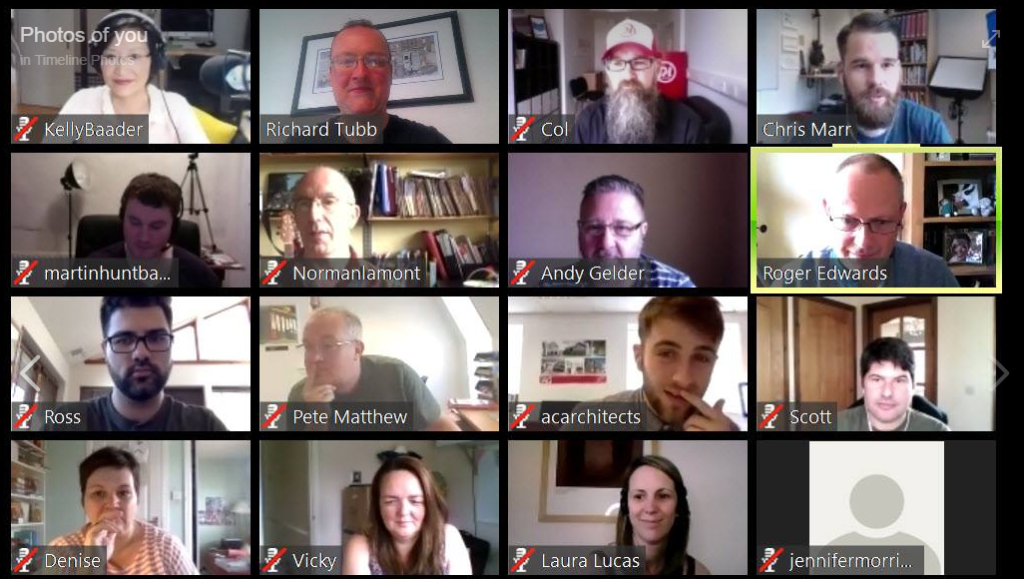
In this lunchtime online Zoom meeting we will:

Zoom online meeting view
  • Learn losing strategies and winning strategies for healthy relationships
  • Learn practical relational skills for more connected, peaceful, and rewarding conversations
  • Learn skills for managing conflict
  • Learn how to de-escalate when tensions, stress, or anger get high
  • Learn how to identify and regulate emotions with you and your partner
  • Begin to identify the relational patterns that cause problems between you and others
  • Learn how self-esteem, self-care, and how you treat yourself show up in relationship 
  • Be fully present and engaged with mind and body with mindfulness and awareness exercises
  • Learn the difference between co-dependence, self reliance, and interdependence
  • Explore healthy sexuality in relationship 
  • Learn to take personal responsibility for what is ours, and set boundaries around what is not
  • Practice in real time to build skill and confidence in your ability to apply them with women

Relationship is a full contact sport!  It takes our full presence, awareness, and training to properly utilize our primary relational tools – our mind, our heart, and our body.  There are many great books and podcasts to give you the knowledge you need, but you can’t just read a book or listen to a podcast and know these things and expect to have better relationships.  Actually practicing these tools and concepts with other men, giving and receiving feedback, and then utilizing them during the week with your partner will accelerate your learning and skill level.  This course is packed with information to help you understand the why, effective tools to implement in your relationship, and it also includes a brief amount of time to practice in the safety of Zoom breakout rooms with other men.  If you can communicate using these tools with other men, you can do it with women.

We will become a community of support for you as you learn and apply these tools and concepts.  You’ll be given handouts with specific instructions and key ideas each week to ensure you can have the support you need in real time, in your pocket.

Why study relationship skills with me?

I’ve been participating in and leading men’s work for almost a decade, as well as practicing as a psychotherapist. Just as important as my professional experience and credentials, my life experiences as a husband, father, son, brother, and friend and shaped me most, trying and sometimes failing at practicing what I teach.  Before becoming a therapist, I was a software engineer who grew up in the south with all of the rules about being a man. Many of them were misguided and not helpful. My world was ruled by logic and reason alone. I was involved with lots of groups, I played sports, studied martial arts, and was smart and successful, but I struggled with relationships. Nobody taught me how to relate effectively and how to have the courage and strength I needed to be honest with myself and others.  I understand the world of men and talking to men about relationships can be different than talking to women. I’ve studied the best authors, researchers, and practitioners in the field such as the Gottmans, Relational Life Therapy with Terry Real, Ester Perel, Emotionally Focused Therapy, as well as the most important relationship topics such as attachment, somatic trauma work, sex therapy. In addition to all the theoretical knowledge, studying finely attuned somatic psychotherapy such as Hakomi and IFS as well as very somatic and non verbal forms of martial arts, jiu-jitsu, and dance have taught me even more about the dance between direct assertiveness and receptive attunement. Even with this breadth of knowledge and understanding, there are still days where I struggle and get tripped up, just like anyone else.  Having references, ongoing support, and accountability to using these tools is essential when we stumble. So I’ve taken the best tools from these experts, translated them into real life applications and created this course so you get to be your authentic self. You won’t sound like you are communicating from a script, you will be honest and authentic, and you can immediately use these ideas and tools to shift your stance, become your own leader, and improve the way that you relate with women so you can get started right away with healthier relationships.

I’ll show you how to live and embody a strong masculine relational stance – one that is wise, compassionate, active, effective, open, receptive, and can handle anything that comes your way.

Investment of Your Time and Money

This course is designed for anyone to use their one hour lunch break, once a week, for one month from the convenience of their phone or computer to skyrocket their relational skills.  No travel time. No excuses. 

$50 per session.  1 hour per week. 4 week commitment.

However, if you haven’t decided your skills and relationship are worth the investment, here’s how I’ll make it even more worth your while:

Sign up by March 2nd and pay only $40 per session 

Attend and participate in all 4 sessions so I know you have the built the foundation, have the necessary background information and you are invested in your relational life, and you will be invited to attend a free bonus meeting where I’ll answer your questions, go into further depth of any topic covered, and provide coaching about a specific relationship issue you have, if you choose. 

If you are ready to commit to improving your relationship skills for yourself and your partner, sign up by March 2nd and for only $160 you will get 5 weeks of instruction and an opportunity to get direct coaching and feedback on a relationship issue you are facing.  This brings your cost to only $32 per group! Consider that is a 5 hour program for the price of ONE individual therapy or coaching session. 

If you are hesitant or late to commit, don’t worry. You can still get all 5 sessions for $200.  Still a great deal! You, your partner, your relationship, and your life satisfaction are worth it.  

Course Outline

March 26 – April 26, 2020.  Thursdays @ Noon.  

Week 1

  • Setting the Foundation
  • Communication Basics
  • Healthy Interdependence vs Codependence, enmeshment, or self-reliance
  • What is Your Relationship Dream?
  • Practice and Homework

Week 2

  • Creating Safe Secure Relationships (as opposed to anxious, avoidant, or distant relationships)
  • De-escalating conflict and stressful conversations
  • Emotional Intelligence
  • Practice and Homework

Week 3

  • Turning Up The Heat – Appropriately, Skillfully, and Wisely
  • Giving and Receiving Feedback
  • Getting What You Want, Getting What You Need
  • Male Sexuality and Pornography in Relationship
  • Practice and Homework

Week 4

  • Bigger Picture and Moving Forward
  • Repairing After a Regrettable Incident
  • Self Leadership and Relational Leadership – Achieving Balance in Thinking, Feeling, Being, and Doing
  • Practice and Homework

Week 5 * (Bonus for those who engaged and participated in all 4 prior sessions)

  • Review and Diving Deeper With Previous Topics
  • Questions and Discussion
  • Live Coaching on Your Personal Situation Challenge

These are just the highlights and main themes of the course.  You can be assured we will pack much more into each hour we spend together.  If you are not convinced you need this, ask your partner and get their feedback.  Or if you have a specific need or question about the course, reach out to [email protected].  

Registration and Preparation

When you are ready to commit, there are four steps to take:

  1. Complete the registration form here or below.
  2. Click the Buy Now button below and send your payment for the course.  $160 for Early Commitment by March 2nd. $200 after March 2nd.
  3. Be sure your computer or phone is ready to use Zoom meetings.  Join a test meeting if you have never used Zoom before.  Having video is best to view material, but audio and phone only will suffice if needed.
  4. Be sure you have reserved 12:00 MST on your calendar for the meeting dates.  We will start and end on time. There is a lot of material to cover, so be sure you arrive on time with your technology ready to go.  

I look forward to connecting with you and learning how to be a stronger, more relational man together.

Facilitated by: Chuck Hancock, M.Ed., LPC, EMDR II.  Chuck has over 9 years experience participating in and leading men’s groups, experiential groups, therapy groups, wilderness groups, interpersonal process groups, ritual and rites of passage programs, and teaching college courses. Chuck is highly trained in treating trauma, mindfulness, somatic therapy, and is a member of Colorado Group Psychotherapy Society and a perpetual student of intrapersonal and interpersonal relationship patterns.  

Download a printable flyer below to share with someone who could use this course.

Your Year Compass

This time of year is a great time to reflect on the year past and set intentions and plan for the year to come. Looking beyond the simplistic new year resolutions that most people break, this non-profit from Hungary has put together a fantastic booklet to guide your process.

Download the free booklet above. Wishing you a great 2020!

Reconnecting to Spring


We are not separate from the natural world.  This myth that we are separate from nature and everything  around us is one of the greatest things causing humans suffering.  Even “visiting” nature implies we have to go somewhere to experience  it. In this day long program, we will be in nature to remember the age old practice of wandering  and listening, connecting intimately with nature both outside and inside of us to experience greater health and wholeness.  

  • Experience and connect with the season of summer in it’s unique personality and relationship to the rest of the year.
  • Find and relate to plants, animals, birds, insects, rocks, and landscape that can help you deepen into your understanding of yourself and our world.
  • Utilize Ecopsychology  and transpersonal psychology to remember your wholeness, the wholeness of our world, and experience health and healing in nature.
  • Learn about the passages and cycles of days, years, seasons, and life itself.
  • Utilize practices to help you connect deeper to yourself and your own sources of guidance, wisdom, and support.
  • Spend time together as a community in council,  gain direct teachings on nature connected practices.
  • Have solo time on the land having direct experience with these practices in your own way..


For more information: http://reconnectingtoournature.com/

1 2 3 4 6